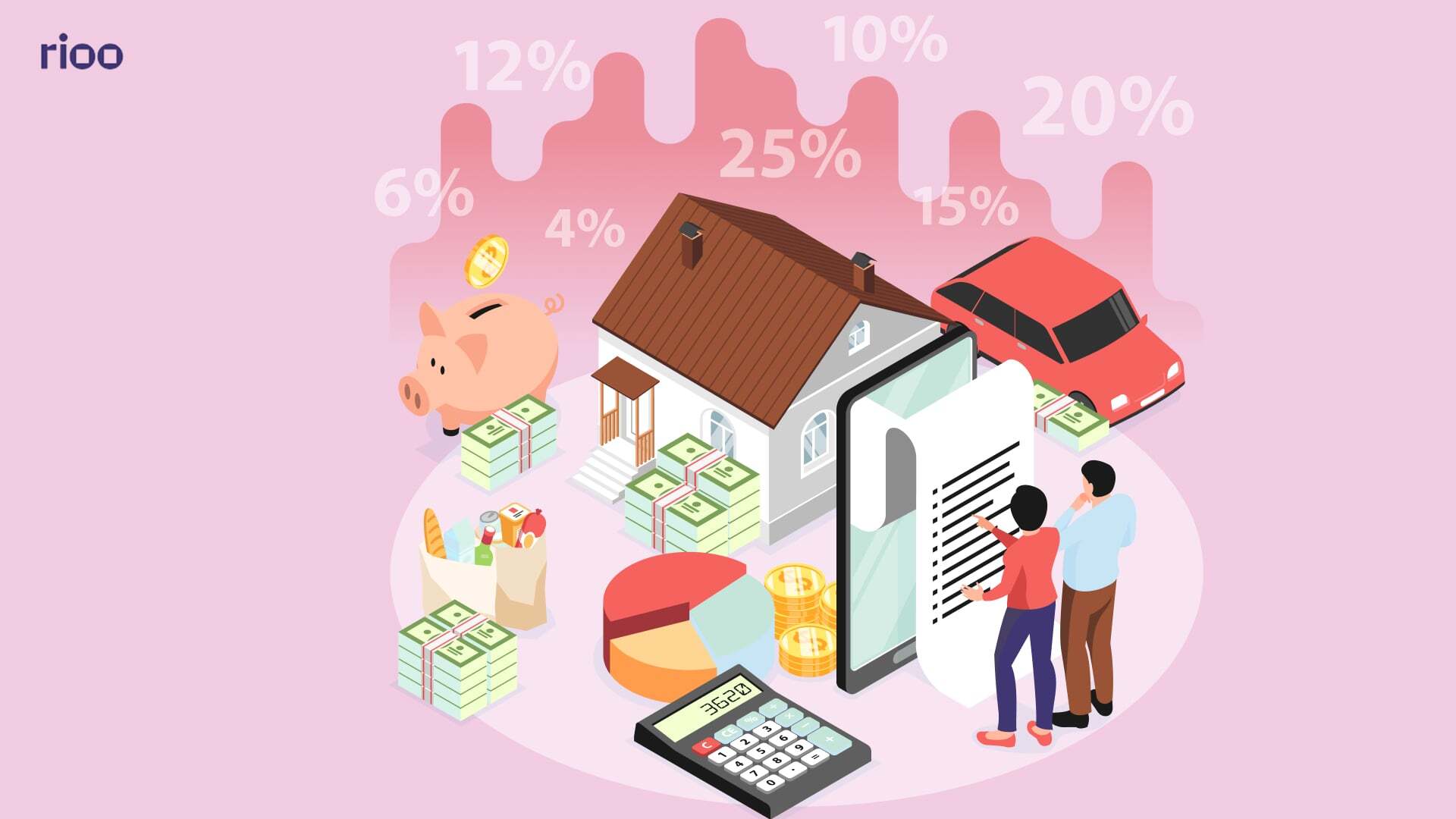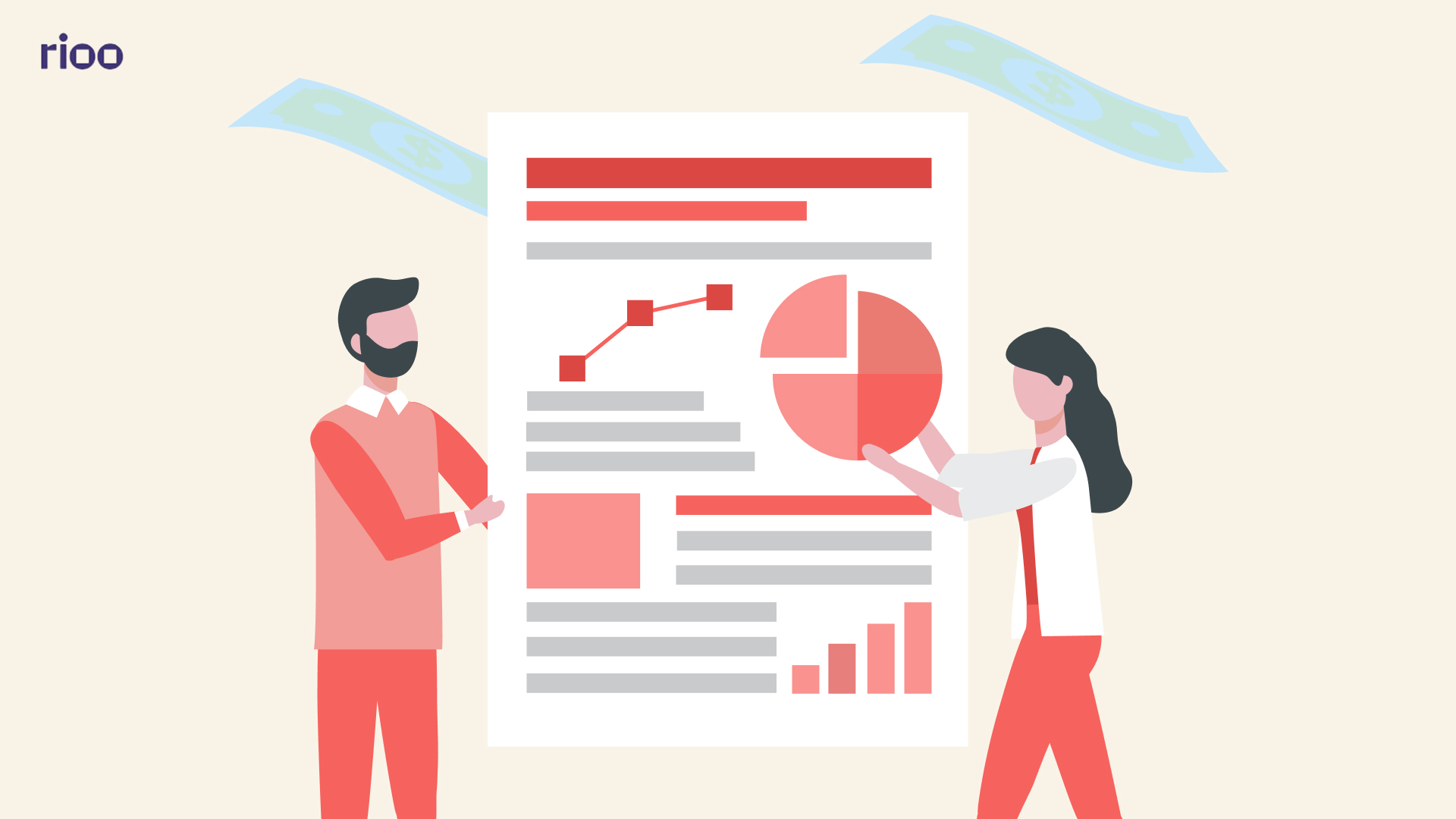















Managing properties is a numbers game. Rent collection, maintenance costs, lease renewals, occupancy rates, vendor payments, the list never stops. And if you are not tracking all of it in one place, it is easy for something to slip through.
That is where the right reporting capabilities of good property management software make all the difference. They bring everything together: your financials, your operations, and your portfolio performance, without you having to stitch it from three different spreadsheets.
This blog walks through the essential reporting features in property management software that genuinely help property managers stay on top of their numbers, make faster decisions, and keep their teams aligned.
Key Takeaways
- Real-time financial dashboards are the backbone of effective property reporting, giving managers clear visibility into cash flow, NOI, and expense trends.
- Lease and rent tracking reports reduce missed renewals and payment delays, especially across large or multi-site portfolios.
- Maintenance and facility reports help manage costs proactively, not just reactively, by surfacing recurring issues before they escalate.
- Customizable and role-based reporting means every stakeholder, from your CFO to a site manager in Dubai or Singapore, sees exactly the data they need.
- Consolidated portfolio reporting is what separates purpose-built property management platforms from generic tools.
Why Reporting Is the Core of Good Property Management?
Most property managers do not struggle with finding data. They struggle with making sense of it. Rent roll here, maintenance log there, vendor invoices in an email thread, and the lease tracker on someone's desktop.
When your data lives in fragments, reporting becomes a project. You end up spending Monday mornings pulling numbers rather than acting on them. And by the time the report is ready, the moment to act on it may have passed.
The reporting capabilities of good property management software change this entirely. They centralize your data and surface the right metrics at the right time, so your team spends less time compiling and more time deciding.
The shift is clear: property teams across the US, UK, Australia, Canada, Singapore, and UAE are investing in platforms that do more than manage transactions. They want intelligent reporting.
8 Essential Reporting Features in Property Management Software
Not every platform's reporting is equal. Some give you basic rent collection summaries. Others go deeper. Here is what the essential reporting features in property management software actually look like in practice.
1. Real-Time Financial Dashboards
This is your daily cockpit. A good financial dashboard shows you the state of your portfolio right now, not last week. You should be able to see at a glance:
- Total rental income collected vs. expected
- Outstanding balances and overdue payments
- Net Operating Income (NOI) by property or portfolio
- Budget vs. actuals for operational expenses
- Cash flow trends over the past 30, 60, or 90 days
Imagine you manage a mix of residential apartments in Toronto and commercial units in Dubai. Without a unified dashboard, your finance team is reconciling two sets of books, chasing two currencies, and building two reports. A real-time financial dashboard brings it into one view.
2. Income and Expense Reports
This goes deeper than just knowing how much rent came in. You need to see where money is going and how it breaks down by property, unit, or expense category. Strong income and expense reporting should cover:
- Rental income tracked by unit, building, or community
- Expense categorization: maintenance, utilities, vendor payments, insurance
- Variance analysis: where you are over or under budget
- Historical comparisons: this month vs. last quarter
A property manager overseeing 500 units across five cities cannot eyeball whether a specific property's maintenance costs are creeping up. With proper expense reporting, that pattern shows up before it becomes a problem.
3. Lease and Rent Collection Reports
Leases drive your revenue. Knowing the status of every lease in your portfolio is non-negotiable and one of the most commonly overlooked reporting capabilities in good property management software. Key lease and rent reports include:
- Lease expiry calendar showing upcoming renewals by month
- Move-in and move-out tracking with vacancy periods
- Rent collection status: paid, pending, overdue, partially paid
- Late fee tracking and payment history per tenant
- Delinquency rate by property or portfolio
If you are running a student housing block in Sydney or a multi-floor office in Singapore, lease cycles are intense. A report showing you who is up for renewal in the next 60 days is not just useful; it is essential to keeping revenue stable.
4. Maintenance and Facility Reports
Maintenance is one of the biggest cost variables in property management. It can also be your biggest source of tenant complaints if left untracked. Maintenance reporting should give you:
- Open, in-progress, and completed service requests by property
- Average resolution time per request type
- Maintenance cost breakdown: labor, parts, vendor charges
- Recurring issues: the same HVAC unit failing three times a quarter is a pattern
- Vendor performance: response time, cost consistency, completion rate
A facility manager for a warehouse portfolio in Australia or an industrial park in the UAE can use this data to plan preventive maintenance schedules, rather than scrambling after every breakdown.
5. Vendor and Accounts Payable Reports
Vendor management is an aspect of property operations that is often reported inconsistently. You have invoices from contractors, utility providers, cleaning services, and more. Keeping tabs on all of it matters. What good vendor reporting includes:
- Outstanding invoices by vendor
- Payment history and approval workflows
- Vendor spend by property or category
- Comparison of contracted rates vs. actual charges
6. Occupancy and Portfolio Performance Reports
Understanding what is occupied, what is vacant, and how long units sit empty tells you a lot about your portfolio's health. These reports typically cover:
- Current occupancy rate by property type or location
- Vacancy trend over time
- Average days to lease for vacant units
- Portfolio performance comparison across multiple sites
For enterprise firms managing hundreds of units across the US, UK, and Canada, these reports answer the investor question quickly: how are we performing, property by property?
7. Consolidated Multi-Property Reporting
This is where essential reporting features in property management software truly shine for larger portfolios. The ability to see across every property in a single consolidated report, without building it manually. Consolidated reporting lets you:
- Roll up income and expenses across all properties into one statement
- Break out performance by region, property type, or ownership entity
- Share portfolio-wide summaries with investors or board members
- Identify which properties are underperforming and need attention
8. Customizable and Role-Based Reporting
Not every person on your team needs the same report. Your leasing manager cares about occupancy and renewals. Your finance director wants the profit and loss. Your site supervisor needs to monitor maintenance costs for the building. Good reporting tools let you:
- Filter reports by property, time period, tenant, or category
- Set up scheduled reports delivered to the right person
- Control what each team member or stakeholder can see
- Export reports in usable formats for audits, board meetings, or investor reviews
This is especially relevant for property management firms operating across multiple geographies. A CFO in London and a community manager in Melbourne have different daily needs. Role-based reporting respects that.
Want to see how all of this looks in one platform? Explore RIOO's Dashboards and Reports module to understand what consolidated, real-time property reporting actually looks like. Book a demo at RIOO.
How RIOO Brings These Reporting Capabilities Together
RIOO is a purpose-built property management platform designed for medium to enterprise-scale portfolios. It covers residential and commercial property types, from multi-family apartments and student housing to industrial spaces and retail malls. Its reporting framework is built to handle that complexity without creating more work for your team.
-
Dashboards and Reports
RIOO's dashboards convert raw property data into clear operational and financial insights. You get a unified customer view, occupancy trends, financial performance, and maintenance summaries, all in one place. Reports can be filtered by property, community, time period, or team, so every stakeholder sees what they need.
-
Finance and Accounting
RIOO's Finance and Accounting module covers property accounting, income and expense management, vendor management and accounts payable, and financial and operational expense tracking. Your team gets real-time consolidated reporting across every property in the portfolio.
This means the month-end close does not become a three-day exercise. Your data is structured, makes reports easier to access, and your finance team is not manually reconciling spreadsheets.
-
Leasing and Rent Collection Reports
Through RIOO's Leasing and Sales module, you can track lease creation, renewals, move-ins and move-outs, and rent collection status across the entire portfolio. You see exactly where you stand on occupancy, which leases are expiring, and how collections are trending.
-
Facility and Maintenance Reports
RIOO's Facility Management module tracks service requests, maintenance planning and scheduling, and asset and utility management. Reports give you cost visibility, and a clear picture of which properties are generating the most maintenance spend.
-
Portals and Integrations
RIOO's Tenant Portal and Community Manager Portal keep communication documented and organized. When a tenant submits a request or a manager closes a task, that activity is trackable, reportable, and visible to the right team members.
RIOO also connects with over 30+ integrations, so your reporting data can flow between systems without manual re-entry. Whether your team uses accounting tools, payment platforms, or other operational software, RIOO ties it together.
Must Read: Essential Guide to Property Management Accounting Basics
Manual Reporting vs. Software-Driven Reporting: What It Actually Costs You
Many property teams still rely on spreadsheets for their reporting. It works at first, especially for smaller portfolios. But as the portfolio grows, the gaps start to show.
|
Reporting Aspect |
Manual / Spreadsheet |
Property Management Software |
|
Financial visibility |
End-of-month, often delayed |
Real-time, by property or portfolio |
|
Lease tracking |
Calendar reminders, easily missed |
Dashboard with renewal alerts |
|
Maintenance costs |
Estimated or reconstructed |
Logged per request, by vendor |
|
Multi-property rollup |
Manual consolidation, error-prone |
One-click consolidated view |
|
Stakeholder reporting |
Custom-built each time |
Scheduled and role-based |
|
Audit readiness |
Manual document search |
Stored, filtered, exportable |
The cost of manual reporting is not just time. It is also the decisions you cannot make quickly because your data is not ready, the renewals you miss because no one flagged them, and the maintenance overruns you catch only at year-end.
Also Read: How to Optimize Property Management Strategies
Key Benefits of Stronger Reporting in Property Management
Once the essential reporting features in property management software are in place, the day-to-day experience of running a portfolio shifts meaningfully.
- Faster decisions: When financial data is live and accurate, your team does not wait for someone to pull a report.
- Fewer missed renewals: Lease expiry reports surface early, so your leasing team can engage tenants before vacancies occur.
- Better vendor accountability: Spend tracking and performance reports hold contractors to their contracted rates and timelines.
- Stronger investor relationships: Property owners and investors in the US, UK, Canada, Australia, Singapore, and the UAE all want clean, timely reports. Software makes that consistent.
- Audit readiness: With data stored, categorized, and filterable, preparing for a tax audit or compliance review is far less painful.
- Scalable operations: Reporting that works for 50 units should also work for 5,000. The right platform grows without you having to rebuild your reporting system.
Must Read: How Customizable Reporting Options Transform Property Management Operations
Conclusion
Reporting is not just a feature on a checklist. It is what makes property management decisions confident rather than guesswork.
The essential reporting features in property management software cover your financials, leases, maintenance operations, and vendor relationships. When they work together on one platform, it helps teams shift from compiling to analysing.
Whether you manage 100 units or 10,000, whether your portfolio is in the US, UK, Australia, Canada, Singapore, or the UAE, the principle is the same: clear reporting leads to better outcomes for your tenants, your owners, and your business.
RIOO is built for exactly this. With real-time dashboards, consolidated financial reporting, lease tracking, maintenance reports, and over 30 integrations, it gives your team everything they need to run a well-informed property portfolio.
Ready to see what modern property reporting looks like in practice? Book a demo with RIOO and explore how it can work for your portfolio.
Frequently Asked Questions
1. What are the most important reporting features in property management software?
The essential reporting features in property management software include real-time financial dashboards, income and expense tracking, lease and rent collection reports, maintenance cost reporting, and consolidated multi-property views. Together, they give property managers a complete picture of portfolio performance.
2. How does reporting in property management software help with financial tracking?
Good software integrates your rent collection, vendor payments, and operational expenses into a single accounting system. Reports are then pulled from that data to show cash flow, NOI, budget variances, and payment status across all properties. This reduces manual reconciliation and makes the month-end close far more manageable.
3. Can property management software generate reports for multiple property types?
Yes. Platforms like RIOO support reporting across residential and commercial portfolios, including apartments, condos, HOAs, offices, retail malls, warehouses, and industrial spaces. Reports can be segmented by property type, location, or team.
4. How does lease reporting help reduce vacancy rates?
Lease expiry reports show property managers which tenancies are ending in the next 30, 60, or 90 days. With this visibility, leasing teams can reach out early, reducing the gap between a lease ending and a new one starting. It is one of the most practical ways to protect occupancy rates.
5. Is customizable reporting important for property managers?
Very much so. Different stakeholders need different data. A property owner wants a high-level financial summary. A maintenance supervisor needs a task report by building. A finance team needs a full P&L. Customizable, role-based reporting ensures everyone gets what they need without separate manual reports for each audience.