















Managing compliance in property management isn't easy. You deal with rent control laws, fair housing regulations, tax filings, insurance requirements, and safety codes, all while trying to keep your properties profitable and tenants satisfied.
Miss one deadline, misfile one report, or overlook one regulation, and you're facing fines, legal disputes, or damage to your reputation. For property managers handling hundreds or thousands of units across different states, staying compliant feels like a moving target. Rules change, requirements differ by location, and manual tracking through spreadsheets leaves too much room for error.
This is where smart reporting tools make a difference. How can smart reporting tools assist in property management compliance? They turn scattered data into organized, real-time insights that help you meet regulatory requirements without the stress. The right property management software provides the financial visibility and compliance tracking you need to manage properties confidently, whether you're in the US, UK, Canada, Australia, Singapore, or Dubai.
Key Takeaways
- Smart reporting tools provide real-time compliance tracking across multiple properties and jurisdictions, reducing the risk of missed deadlines and regulatory violations.
- Automated financial reporting ensures accurate tax filings, transparent owner statements, and audit-ready documentation without manual spreadsheet management.
- Centralized dashboards give property managers instant visibility into lease compliance, maintenance requirements, and regulatory obligations across their entire portfolio.
- How can smart reporting tools assist in property management compliance by eliminating data fragmentation and creating a single source of truth for all compliance-related information.
- Modern property management platforms integrate reporting with leasing, accounting, and facility management to streamline compliance workflows and reduce administrative burden.
The Growing Weight of Compliance in Property Management
Property managers today face more regulatory pressure than ever before. Each jurisdiction adds its own layer of requirements, and the cost of errors continues to rise.
Compliance regulations have grown more complex over the past few years. The property management industry must navigate federal laws like the Fair Housing Act, state-specific landlord-tenant regulations, local building codes, and industry standards that vary significantly by region.
For managers operating in multiple states or countries, the challenge multiplies. Requirements in California differ from those in Texas. Australian property regulations don't match those in Singapore or Dubai. Keeping track of these differences manually creates compliance gaps that expose your business to risk.
The consequences of non-compliance aren't minor. Property managers face fines, legal actions, license suspensions, and reputational damage. Even unintentional violations, such as missing a lease renewal notice deadline or incorrectly calculating security deposit refunds, can trigger costly disputes.
Beyond legal requirements, owners and investors expect clear, timely reporting. They want to know their properties are being managed within legal boundaries and that their investments are protected.
Also Read: Essential Guide to Property Management Accounting Basics
4 Common Compliance Challenges Property Managers Face
Most property managers struggle with the same core issues. These challenges compound as portfolios grow and regulations evolve.
1. Fragmented Systems Create Blind Spots
Many property management teams operate with disconnected tools. Rent collection happens in one system, maintenance tracking in another, and financial reporting in spreadsheets. When compliance data is spread across multiple systems, it's hard to get a complete picture.
You might track lease expiration dates in one calendar, fair housing documentation in filing cabinets, and inspection schedules on sticky notes. This fragmentation makes it nearly impossible to confirm you've met all requirements across your portfolio.
2. Manual Tracking Invites Errors
Spreadsheets break down at scale. When you're managing 50 units, manual tracking might work. At 500 or 5,000 units, the margin for error grows exponentially.
A single missed cell, forgotten formula, or outdated entry can cascade into compliance failures. Tax season becomes particularly stressful when pulling together financial data from multiple sources.
3. Changing Regulations Demand Constant Vigilance
Property management regulations don't stay still. New rent control ordinances, updated building codes, and revised fair housing guidelines each change requires you to adjust your processes.
Local jurisdictions often have unique requirements for security deposits, notice periods, and lease disclosures. Managing properties across multiple cities means staying current with dozens of different rule sets.
4. Limited Financial Visibility Undermines Compliance
Compliance isn't just about following rules; it's about proving you followed them. When auditors, owners, or regulators request documentation, you need to produce accurate records quickly.
If your financial data is scattered or incomplete, you can't demonstrate compliance even if you meet all requirements. Real-time financial visibility helps you spot issues before they become violations.
Also Read: 11 Crucial Property Management Reports Every Property Manager Must Track Routinely
How Can Smart Reporting Tools Assist in Property Management Compliance
Modern reporting platforms do more than organize data. They actively prevent compliance issues by building tracking into your daily operations.
Smart reporting tools transform how property managers handle compliance by automating data collection, organizing information, and generating reports that meet regulatory requirements. These tools don't just store data, they turn it into actionable insights that keep you compliant and prepared for audits.
Real-Time Data Aggregation Across Properties
How can smart reporting tools assist in property management compliance through data management? They pull information from all your properties into a single dashboard.
Instead of logging into separate systems or checking multiple spreadsheets, you see your entire portfolio's compliance status at a glance. When a lease approaches expiration, when a maintenance inspection is due, or when a financial threshold is reached, the system alerts you.
This centralization is particularly valuable for firms managing mixed portfolios. If you oversee residential apartments, commercial offices, and student housing, each property type has different compliance requirements.
Automated Financial Reporting for Tax Compliance
Tax compliance demands precise record-keeping. How can smart reporting tools assist in property management compliance during tax season? By maintaining continuous, accurate financial records that are always audit-ready.
The system tracks every transaction, categorizes expenses accurately, and maintains separate ledgers for each property or owner. When it's time to file taxes or prepare owner statements, you're generating reports from verified data.
Must Read: A Complete Guide to Property Management Financial Statements
Standardized Lease Compliance Tracking
Lease agreements contain compliance obligations that extend beyond rent collection. Notice requirements, renewal timelines, security deposit handling, and move-out procedures all have legal implications.
Smart reporting tools help by standardizing lease management across your portfolio. The system tracks lease start and end dates, jurisdiction-specific required notice periods, renewal option deadlines, security deposit calculations, and required disclosures.
When regulations change, you can update your lease templates and track which existing leases need amendments.
Maintenance and Safety Compliance Documentation
Building codes and safety regulations require regular inspections, preventive maintenance, and documentation. How can smart reporting tools assist in property management compliance in facility management? By creating an auditable trail of all maintenance activities.
The system documents when inspections were completed, who performed the work, what issues were identified and resolved, and costs associated with compliance-related maintenance. Photos and timestamped notes provide proof of compliance.
Vendor Compliance and Accounts Payable Tracking
Working with contractors, vendors, and service providers introduces compliance requirements around licensing, insurance, and payment documentation.
Smart reporting tools maintain vendor records including license expiration dates, insurance verification, payment history, contract terms, and 1099 reporting. When tax season arrives or an audit request comes in, you have complete vendor documentation ready.
Customizable Dashboards for Multi-Jurisdiction Compliance
Managing properties across different states or countries means tracking varied requirements. Rent control laws in California, condo regulations in Singapore, and social housing requirements in the UK each have unique rules.
How can smart reporting tools assist in property management compliance across multiple jurisdictions? Through customizable dashboards that reflect regional requirements. You can set up compliance tracking specific to each property's location.
Ready to see how integrated reporting simplifies compliance? Explore RIOO's platform and discover audit-ready financial tracking.
Benefits of Compliance-Focused Reporting
Strong reporting tools deliver measurable advantages beyond avoiding fines.
- Reduced Risk of Violations
Automated reminders and standardized workflows reduce oversights. You don't rely on memory, the system prompts you when action is needed.
- Faster Response Times
Generate required reports in minutes. When auditors or owners request documentation, you pull pre-organized information instantly.
- Stronger Owner Relationships
Transparent, regular reporting builds trust. Owners see exactly how their properties perform and how their investments are managed.
- Scalability Without Compromise
The system applies the same standards across 10 units or 10,000. You don't need additional staff just to maintain compliance as you grow.
- Continuous Audit Readiness
Financial records stay current. Documentation stays organized. Reports stay accurate. You're always ready for audits, rather than scrambling when they're announced.
Also Read: The Role of Accounting in Scaling Your Property Management Business
Real-World Impact of Compliance-Focused Reporting
Property managers using comprehensive reporting tools report significant improvements in their compliance processes.
Time spent on compliance-related tasks decreases as accuracy improves. Instead of dedicating entire days to compiling reports for tax season, managers generate required documents in hours.
Rather than manually tracking lease renewal deadlines across hundreds of units, automated systems send timely reminders. The reduction in compliance-related stress allows property managers to focus on growth and service.
Financial transparency improves relationships with owners. When they receive detailed, accurate reports regularly, trust builds. They see exactly how their properties are performing and how their investments are being managed.
Tenant satisfaction also improves. When compliance obligations such as timely maintenance, proper notice procedures, and fair treatment are systematically tracked and met, tenants have a better experience.
Taking Control of Compliance
As compliance requirements grow more complex, smart reporting tools turn regulation into a built-in operational strength. Key compliance-focused features include:
- Centralized Compliance Data: All regulatory documents, reports, and obligations live in one structured system, eliminating fragmented files, spreadsheets, and version confusion.
- Real-Time Compliance Visibility: Instantly view compliance status across properties, portfolios, and regions, so gaps are identified early instead of during audits.
- Audit-Ready Reporting: Generate accurate, standardized reports on demand, reducing audit preparation time and compliance risk.
- Multi-Jurisdiction Requirement Tracking: Track regulatory obligations across different regions in one view, without manual cross-checking or missed deadlines.
- Transparent Owner & Investor Reporting: Share clear, up-to-date compliance insights with stakeholders to build trust through consistency and accountability.
- Scalable Compliance Operations: Expand your portfolio without increasing compliance workload, as processes scale naturally with system-driven controls.
How RIOO Simplifies Compliance Reporting
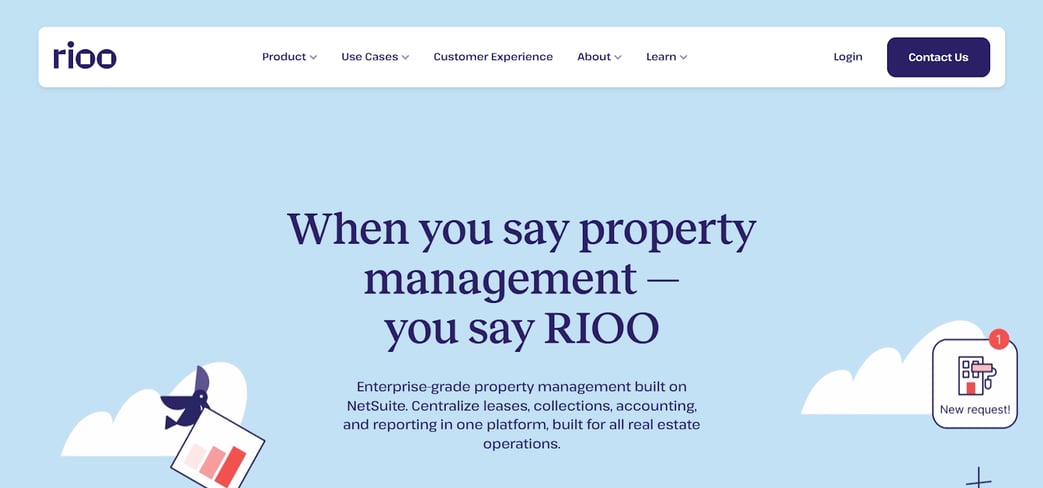
RIOO provides property managers with an integrated platform that simplifies and streamlines compliance tracking across all property types.
1. Centralized Financial Tracking
Property Accounting features automatically maintain accurate records. Every transaction is categorized correctly and tracked in real-time.
The platform handles depreciation tracking, expense categorization, property-level income reporting, automated 1099 preparation, and year-end financial statements. Tax season becomes straightforward instead of stressful.
2. Lease Management That Prevents Violations
Leasing Management tracks critical deadlines and requirements. You get reminders for lease renewals, notice periods, security deposit calculations, and required disclosures.
When regulations change, update your templates once. The system flags properties that require replacement of old forms.
3. Complete Maintenance Documentation
Service Request & Tasks Management and Maintenance Planning & Scheduling create audit trails for every service call.
Track when inspections happened, who completed them, what was fixed, and how much it cost. Photos and timestamped notes provide proof of compliance.
4. Real-Time Dashboard Visibility
Dashboards & Reports give you instant compliance status across your portfolio. See which properties need attention, which deadlines are approaching, and where issues exist.
Customize views by property type, location, or compliance category. Get the information you need without digging through reports.
5. Transparent Owner Reporting
Income & Expense Management provides owners with detailed financial statements. Rental income, operating expenses, and net returns appear clearly.
6. Connected Communication Channels
Tenant Portal and Community Manager Portal document all interactions automatically.
Maintenance requests, payment confirmations, and notices create timestamped records. If compliance questions arise, you have evidence.
7. Multi-Jurisdiction Support
Manage properties across the US, UK, Canada, Australia, Singapore, and Dubai from one platform. Set location-specific compliance rules and track regional requirements separately.
8. Seamless Integrations
30+ integrations connect RIOO with payment processors, financial institutions, and specialized tools. Data stays consistent across platforms.
Must Read: How Financial Reports Can Reveal Hidden Growth Opportunities in Property Management
Conclusion
Property management compliance doesn't have to be overwhelming. With the right tools, you can stay ahead of requirements, maintain accurate records, and demonstrate professionalism to owners, tenants, and regulators.
RIOO provides the comprehensive platform you need to manage properties compliantly and profitably. The platform adapts to your needs, whether you're handling 50 units or 50,000, whether you operate in one city or across continents.
Stop struggling with fragmented systems and manual tracking.
See how RIOO's integrated platform can transform your compliance processes and give you the confidence to grow your portfolio. Book a demo today and discover how smart reporting tools can assist in property management compliance for your business.
Frequently Asked Questions
1. What are smart reporting tools in property management?
Smart reporting tools are software features that automatically collect, organize, and analyze property management data to generate insights and reports. They help track compliance requirements, financial performance, and operational metrics in real-time.
2. How do reporting tools help with tax compliance?
Reporting tools maintain continuous financial records, categorize expenses correctly, track depreciation, and generate tax-ready reports. This ensures accurate filings and provides audit-ready documentation for any compliance inquiries.
3. Can reporting tools handle multi-state compliance requirements?
Yes, modern property management platforms allow you to customize compliance tracking by jurisdiction. You can set up different rules and requirements for properties in various states or countries.
4. What compliance areas do property management reporting tools cover?
These tools typically cover financial compliance, lease requirements, safety and maintenance regulations, fair housing documentation, vendor management, and tax reporting across residential and commercial properties.
5. How does RIOO differ from basic reporting tools?
RIOO provides an all-in-one platform that integrates reporting with leasing, accounting, and facility management. Rather than just generating reports, it embeds compliance tracking into your daily workflows across all property types.