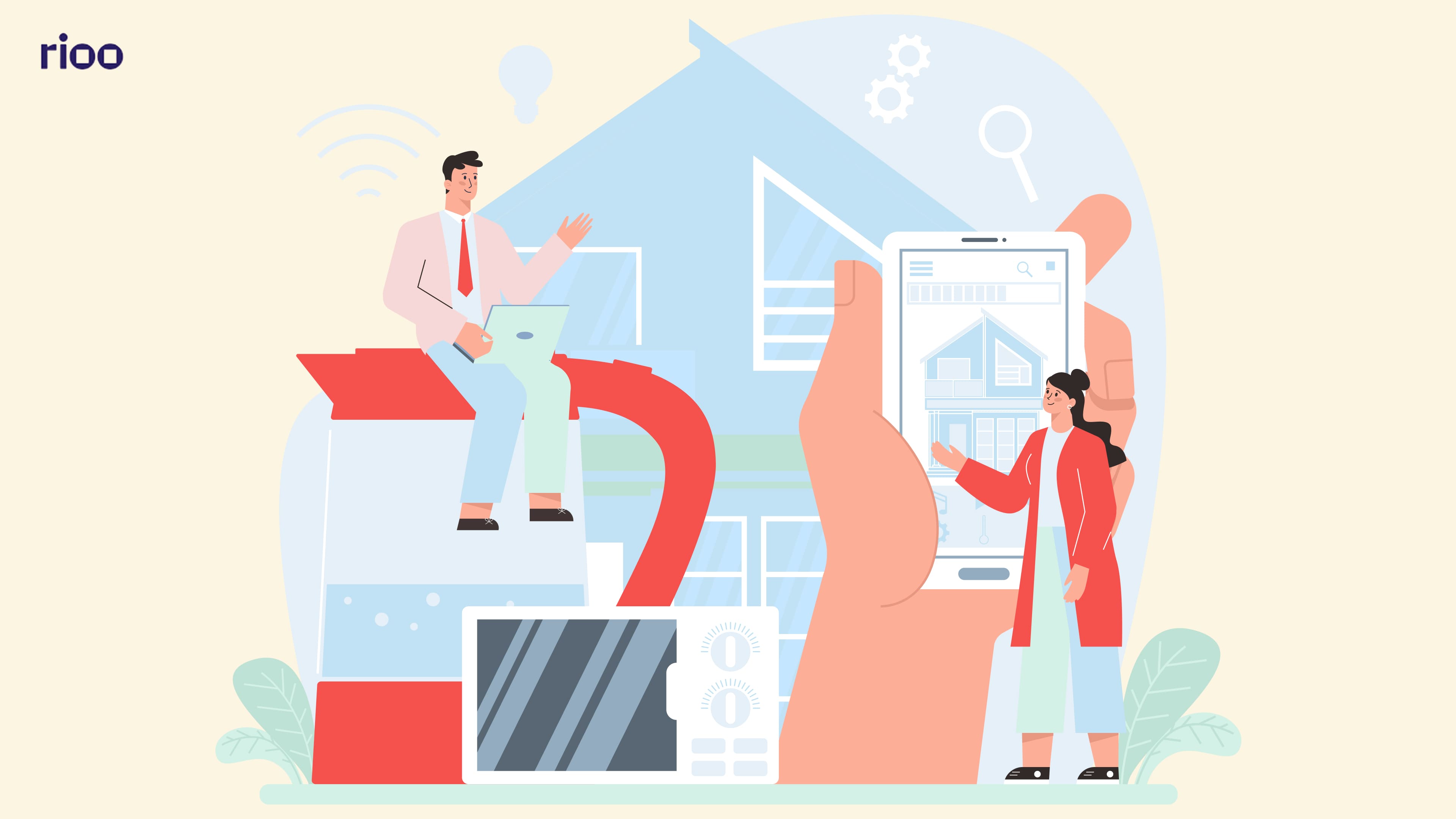
The property management industry has evolved significantly with the introduction of property management software. Traditional methods that relied on spreadsheets and paperwork are now being replaced with digital solutions that offer real-time access, automation, and seamless communication. Digital portals and mobile apps have become essential tools for property managers, landlords, and tenants, improving efficiency and enhancing the overall experience. This blog explores how digital solutions, particularly property management software, are transforming the industry by streamlining operations, improving communication, and offering greater convenience for all stakeholders. Mobile Apps: The Future of Property Management The rise of mobile property management has significantly streamlined the industry, allowing landlords and property managers to access critical data from anywhere, at any time. Mobile apps have become an integral part of property management software, providing both ...
Rent collection has traditionally been a tedious process, often involving manual record-keeping, paper checks, and frequent follow-ups. However, an online rent payment system has revolutionized the way landlords and tenants handle rent payments. With automated reminders, secure transactions, and real-time tracking, these systems improve transparency and significantly reduce payment delays. This blog explores how adopting an online rent payment system benefits both landlords and tenants while making rent collection effortless. Challenges of Traditional Rent Collection Before diving into the advantages of an online rent payment system, it's important to understand the common issues landlords and tenants face with conventional methods: Delayed Payments: Manual rent collection relies on tenants remembering due dates, often leading to late payments, follow-ups, and unnecessary delays in receiving rent. Lack of Transparency: Paper receipts and manual transfers create tracking issues, making ...
In today's competitive real estate market, setting the right price for a property is more than just a guesswork—it requires a strategic approach backed by data. Real estate pricing strategies have evolved significantly, leveraging technology and analytics to maximize property value. Whether it's for selling or renting, understanding market trends and using data-driven insights ensures properties are priced accurately, attracting the right buyers or tenants while maximizing returns. The Power of Data-Driven Pricing Traditional pricing methods relied heavily on comparative market analysis and intuition. While these still hold value, modern real estate pricing strategies integrate big data, predictive analytics, and AI-driven tools to refine pricing decisions. Data-driven rent pricing, for instance, considers factors like local demand, seasonal trends, and economic conditions to ensure properties remain competitive. Some key benefits of using data-driven pricing include: Accurate ...
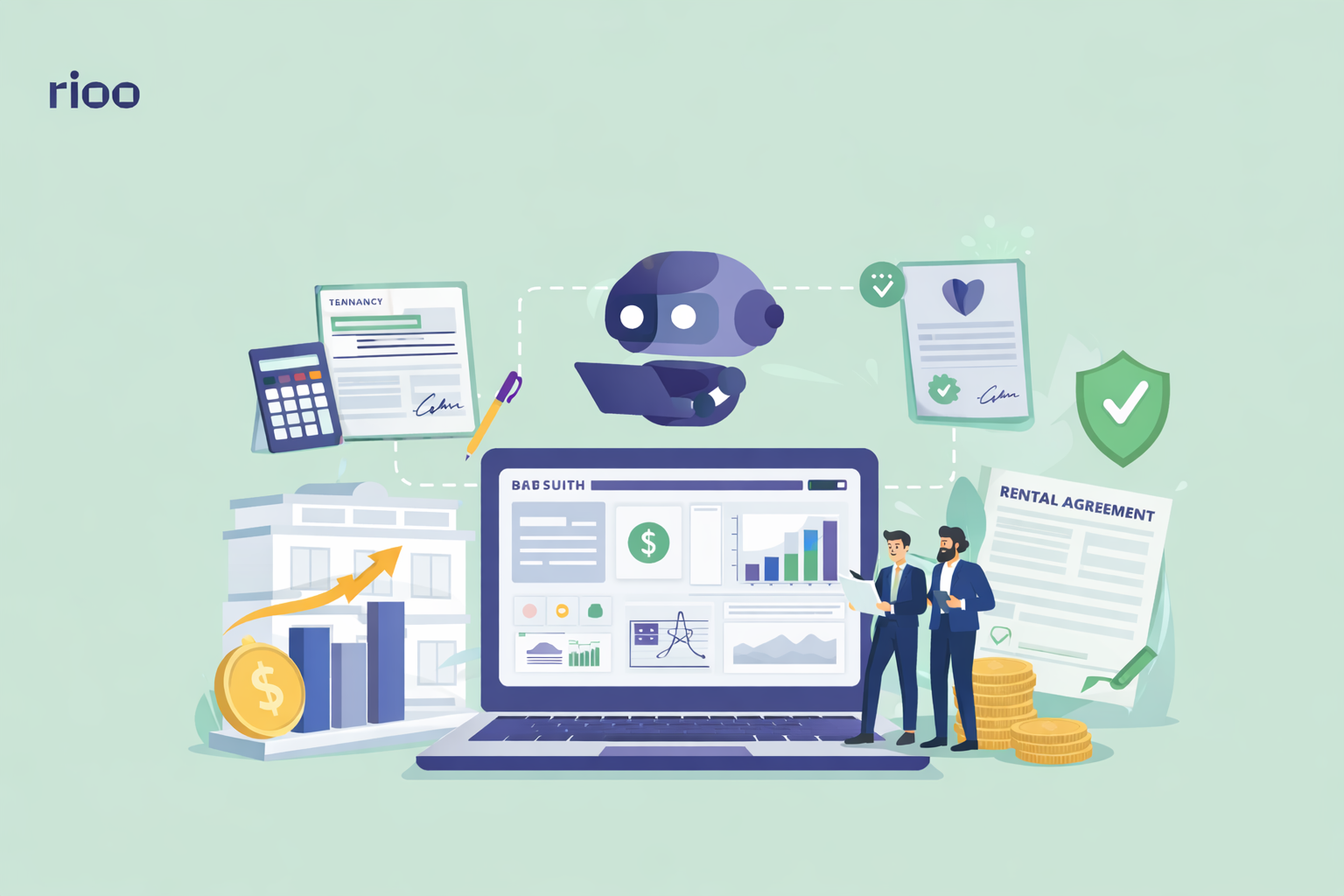
Managing rental properties efficiently requires organization, quick decision-making, and seamless communication. Without the right tools, landlords and property managers often face challenges such as delayed rent collection, missed maintenance requests, and difficulty tracking financials. This is where property management software plays a crucial role. By centralizing key operations, landlords can reduce manual work, minimize errors, and enhance tenant satisfaction. In this blog, we’ll explore how centralized property management improves efficiency and why adopting a real estate management system is beneficial for landlords and property managers. One Dashboard, Countless Solutions: The Power of Centralized Property Management Centralized property management means using a single platform to handle multiple rental properties, tenants, and financial tasks. Instead of relying on separate spreadsheets, emails, and paper documents, landlords can manage everything in one place. This approach ...
Student housing presents a unique challenge—high tenant turnover. Unlike traditional rental properties, where tenants often sign multi-year leases, student accommodations experience frequent transitions due to academic schedules. Most students rent for a semester or an academic year, leading to a continuous cycle of move-ins and move-outs. This fast-paced turnover creates logistical hurdles, from managing lease agreements and property maintenance to ensuring quick occupancy between tenants. For property managers, failing to handle this cycle efficiently can result in vacant units, lost revenue, and increased operational stress. A well-structured management approach is crucial to minimizing downtime and keeping occupancy rates stable. By adopting technology-driven solutions, optimizing leasing strategies, and enhancing tenant experience, student housing operators can reduce turnover-related disruptions and maintain a steady rental flow. This blog explores key student housing management ...
Managing rental properties can be rewarding, but without a proper budget, costs can quickly add up. A well-planned budget helps property owners control expenses, boost rental property profitability, and avoid financial surprises. Whether you manage a single unit or multiple properties, these property management budgeting tips will help you reduce costs and increase earnings. 1. Set Clear Budget Goals The first step in property management budgeting is setting clear financial goals. Determine how much you want to earn from your rental property and what expenses you need to cover. Your budget should include: Mortgage or loan payments Property taxes Maintenance and repairs Insurance costs Property management fees (if hiring a manager) Having a clear financial goal helps you allocate funds effectively and avoid unnecessary expenses. 2. Track Income and Expenses Regularly To manage your budget effectively, keep track of all income and expenses. Record rental payments, maintenance costs, and ...
Remote work is transforming office spaces to cater to a hybrid workforce, offering flexibility, cost savings, and improved work-life balance. Technology enables seamless collaboration, while challenges like team cohesion and data security present opportunities for businesses. Redesigned office spaces prioritize collaboration, flexibility, and well-being, supported by technological solutions for efficient remote work. Embracing these trends is key for businesses to thrive in the evolving workplace landscape. The Rise of Remote Work The rise of remote work, propelled further by the COVID-19 pandemic, underscores a profound transformation in how we approach work. Enabled by technology and shifting attitudes, remote work offers unparalleled flexibility, liberating employees from the constraints of traditional office settings. This flexibility not only streamlines commuting but also fosters better work-life balance, empowering individuals to tailor their schedules to personal and ...
In today’s society, creating inclusive communities is more important than ever. One effective way to achieve this is through the development of mixed-income housing communities. By blending housing options for individuals and families with varying income levels, these developments promote economic diversity and social integration. They offer a unique opportunity for people from different socioeconomic backgrounds to live together, fostering understanding, empathy, and a sense of community. Understanding Mixed-Income Housing Developments Mixed-income housing developments are residential communities that include a blend of housing options for individuals and families with varying income levels. These developments aim to promote economic diversity and create communities where people from different socioeconomic backgrounds can live together. In a mixed-income housing development, there may be a combination of market-rate housing, affordable housing, and even subsidized housing. The goal ...
Embark on a journey through the stunning cityscape of Dubai, where architectural marvels rise above the desert landscape, redefining the very essence of modern design. These cutting-edge skyscrapers not only reshape the skyline but also push the boundaries of what is possible in the world of architecture. From the iconic Burj Khalifa to the luxurious Burj Al Arab, each building stands as a testament to Dubai’s ambition and innovation in the realm of architectural excellence. As you explore these towering structures, you’ll witness a city that is constantly evolving, setting new standards for design and engineering that captivate the world’s attention. The Rise of Dubai’s Skyscrapers Dubai’s skyline has undergone a remarkable transformation over the years, propelled by the emergence of striking skyscrapers that symbolize the city’s ambition and prosperity. Spearheaded by architectural marvels like the Burj Khalifa and the Burj Al Arab, these towering structures stand as iconic ...