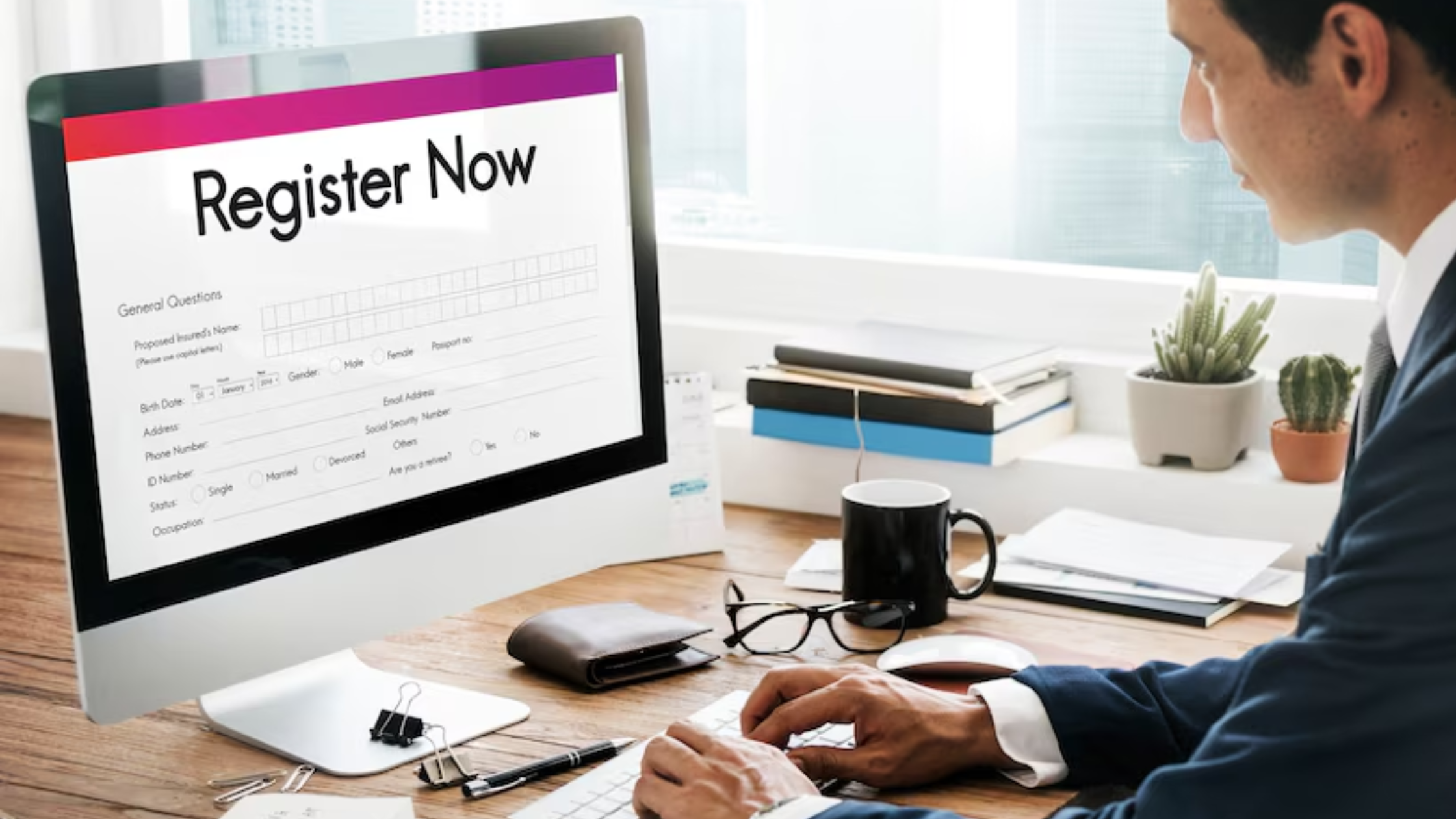
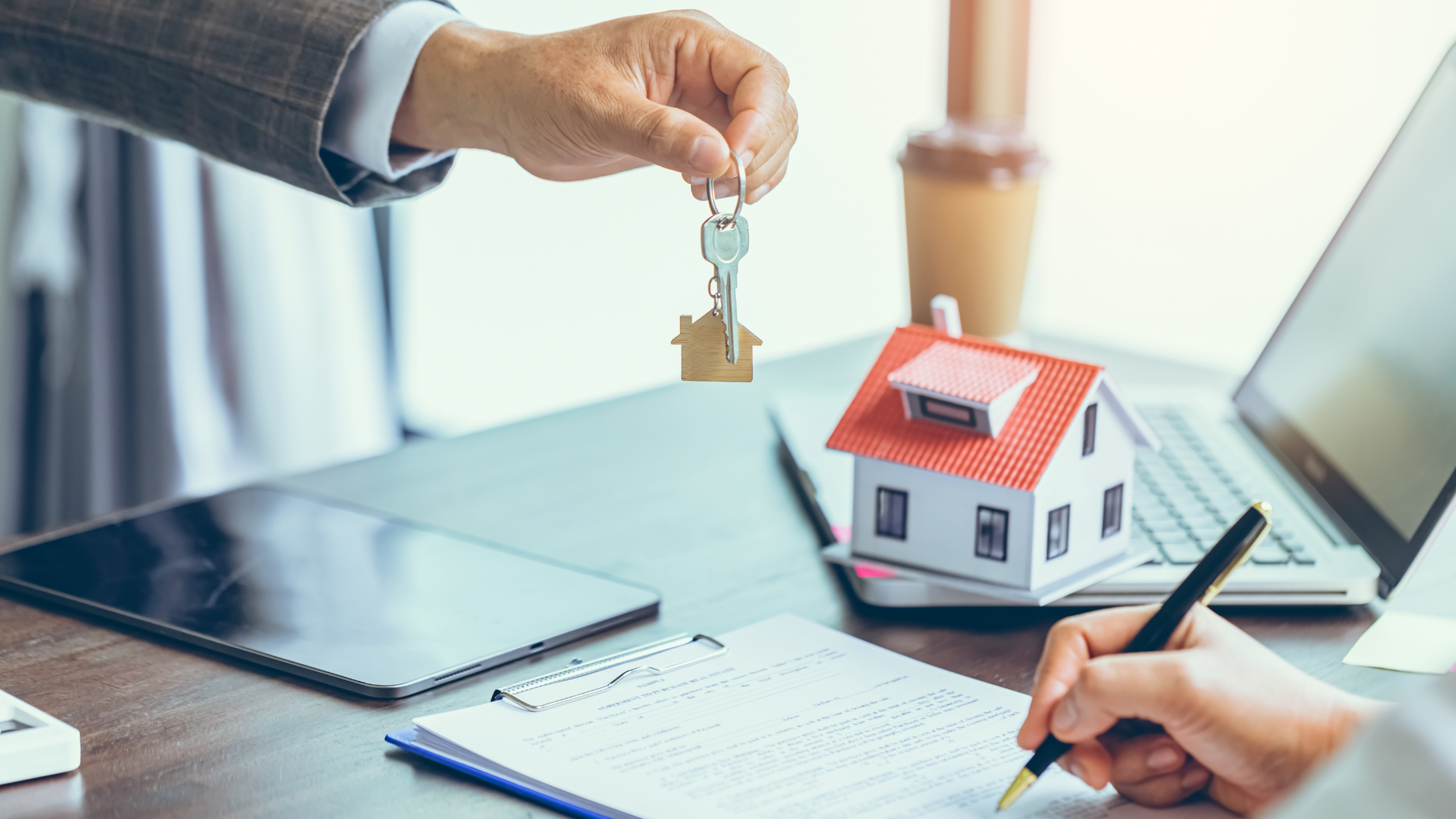
The success of any multifamily property management company depends on the strength of its team. Hiring the right employees and retaining them can significantly impact tenant satisfaction, operational efficiency, and overall business growth. However, multifamily property management hiring presents unique challenges, from high turnover rates to the need for specialized skills. This guide will walk you through the entire talent acquisition and retention process, covering best practices for attracting, hiring, and keeping top professionals in the multifamily housing industry. The Challenges of Hiring in Multifamily Property Management High Turnover Rates: Turnover is one of the biggest challenges in multifamily property management. Roles such as leasing agents, maintenance technicians, and property managers often experience high attrition rates. The constant cycle of hiring and training new employees increases operational costs and can negatively impact tenant satisfaction. A revolving ...
Technology is rapidly changing the way people live, and rental properties are no exception. Tenant preferences for smart home technology have shifted from being a luxury to an expectation in many markets. Renters today are looking for convenience, security, and energy efficiency, and smart home features offer exactly that. However, not all smart home upgrades provide the same value. While some landlords may worry about the cost of implementing smart technology, the right features can lead to higher tenant retention, increased rental value, and reduced maintenance issues. So, which smart home features actually matter to renters? And how important is smart technology in rental properties? Let’s take a closer look. Understanding Tenant Preferences for Smart Home Technology The demand for smart home features has grown significantly in recent years. A survey by Rent.com found that over 82% of renters prefer living in a unit with smart home technology. Why is this happening? Several factors ...
Moving into a new rental can be both exciting and overwhelming. While tenants focus on packing and logistics, property managers and landlords play a crucial role in ensuring a smooth transition. A well-structured tenant move-in checklist can make all the difference. However, there are often overlooked steps that, when addressed, can significantly enhance the experience for tenants. Here are ten steps that can make the rental property move-in process seamless. 1. Provide a Clear Tenant Welcome Guide A well-prepared welcome guide can set the right expectations for new tenants. This should include building policies, emergency contacts, trash collection schedules, and utility setup instructions. Having everything in one document saves tenants time and reduces unnecessary inquiries. The guide should also contain information about amenities, parking regulations, and instructions for handling maintenance requests. A digital version can be provided for easy access anytime. 2. Schedule a ...
Communication is the foundation of a well-managed rental community, yet it is often one of the biggest challenges property managers face. Between emails, phone calls, and physical notices, important information can easily be lost, misinterpreted, or ignored. A tenant portal transforms property communication by centralizing updates, improving response times, and enhancing the tenant experience. This digital solution ensures that residents stay informed while property managers streamline their operations efficiently. The Challenges of Traditional Property Communication Many rental properties still rely on outdated methods to communicate with tenants, creating unnecessary delays and confusion. Some of the common issues with traditional property communication include: Mass emails often go unread or end up in spam folders, leaving tenants unaware of critical updates or announcements. Emails can be overlooked in crowded inboxes, and important property notices can easily be missed, leading ...
Quality management is a crucial yet often overlooked aspect of maintaining a productive and efficient office environment. With businesses evolving rapidly, ensuring that office spaces meet high-quality standards is essential for employee well-being, operational efficiency, and long-term success. From structured maintenance routines to implementing effective workplace policies, quality management in office spaces plays a key role in shaping a professional and comfortable working environment. The Role of Quality Management in Office Spaces A well-managed office space goes beyond aesthetics; it ensures seamless operations, promotes employee well-being, and enhances productivity. Quality management in office spaces focuses on maintaining infrastructure, cleanliness, compliance, and resource optimization for long-term sustainability. Effective quality management ensures that: Office facilities are well-maintained and safe for employees. Regular inspections of office infrastructure, ...
Managing rental properties involves more than just collecting rent and addressing maintenance requests. Poor tenant management can lead to hidden costs that impact profitability and efficiency. From high tenant turnover to legal risks, these challenges can strain resources and lead to financial losses. Implementing Tenant Management Software can transform property management by streamlining operations, improving tenant relationships, and reducing costs. In this blog, we’ll explore the hidden financial pitfalls of poor tenant management and how Property Management CRM solutions can help mitigate them. The Hidden Costs of Poor Tenant Management 1. High Tenant Turnover One of the most significant costs associated with poor tenant management is high tenant turnover. Finding new tenants is time-consuming and expensive. The costs associated with turnover include: Marketing expenses for advertising vacant units Administrative work related to screening and processing new tenants Property ...
When managing a rental property, one of the most important goals is to attract and retain high-quality tenants. Quality tenants not only pay rent on time but also take care of the property and contribute to a positive atmosphere. With the right property marketing strategies, you can ensure your rental property attracts the right people. Here are 15 proven strategies that will help you achieve this goal and set your property up for success. 1. Create a Compelling Property Listing Your property listing serves as the first impression for potential tenants, so it’s important to make it count. A compelling listing should highlight the best features of your property, such as spacious rooms, newly renovated kitchens, or any unique selling points like a fireplace or a large backyard. Don’t just list the basic facts—tell a story about what makes the property feel like home. Include clear and engaging descriptions for each room, and don’t forget to add high-quality, well-lit photos to showcase ...
Managing large multifamily property portfolios comes with unique challenges, from tenant communication to lease management and maintenance tracking. Without an efficient system, property managers may struggle to maintain organization and optimize operations. This is where multifamily property management CRM plays a crucial role. A well-integrated CRM simplifies operations, enhances tenant satisfaction, and boosts overall efficiency. Why CRM is Essential for Multifamily Property Management A multifamily property management CRM acts as a centralized platform that streamlines key functions, such as lease tracking, financial management, and tenant interactions. Unlike traditional spreadsheets or disconnected software solutions, a CRM offers real-time insights, automation, and seamless integration with other property management tools. By using CRM for apartment complexes, property managers can improve response times, ensure better service delivery, and maintain clear communication with ...
Lease renewals are essential for maintaining a steady income and reducing vacancies. With changing tenant expectations and advancements in property management technology, landlords must adopt effective lease renewal strategies to maximize tenant retention. By optimizing lease agreements, improving communication, and offering incentives, landlords can ensure higher lease renewal rates. Here are 15 smart lease renewal strategies to help landlords retain tenants and streamline the renewal process in 2025. 1. Start Lease Renewal Conversations Early Initiating lease renewal discussions well in advance—typically 90 to 120 days before lease expiration—gives both landlords and tenants enough time to evaluate options. This proactive approach reduces the chances of last-minute decisions that may lead to vacancies. Sending polite reminders and discussing potential rent adjustments or incentives early can make tenants feel valued. It also provides landlords the opportunity to address tenant ...