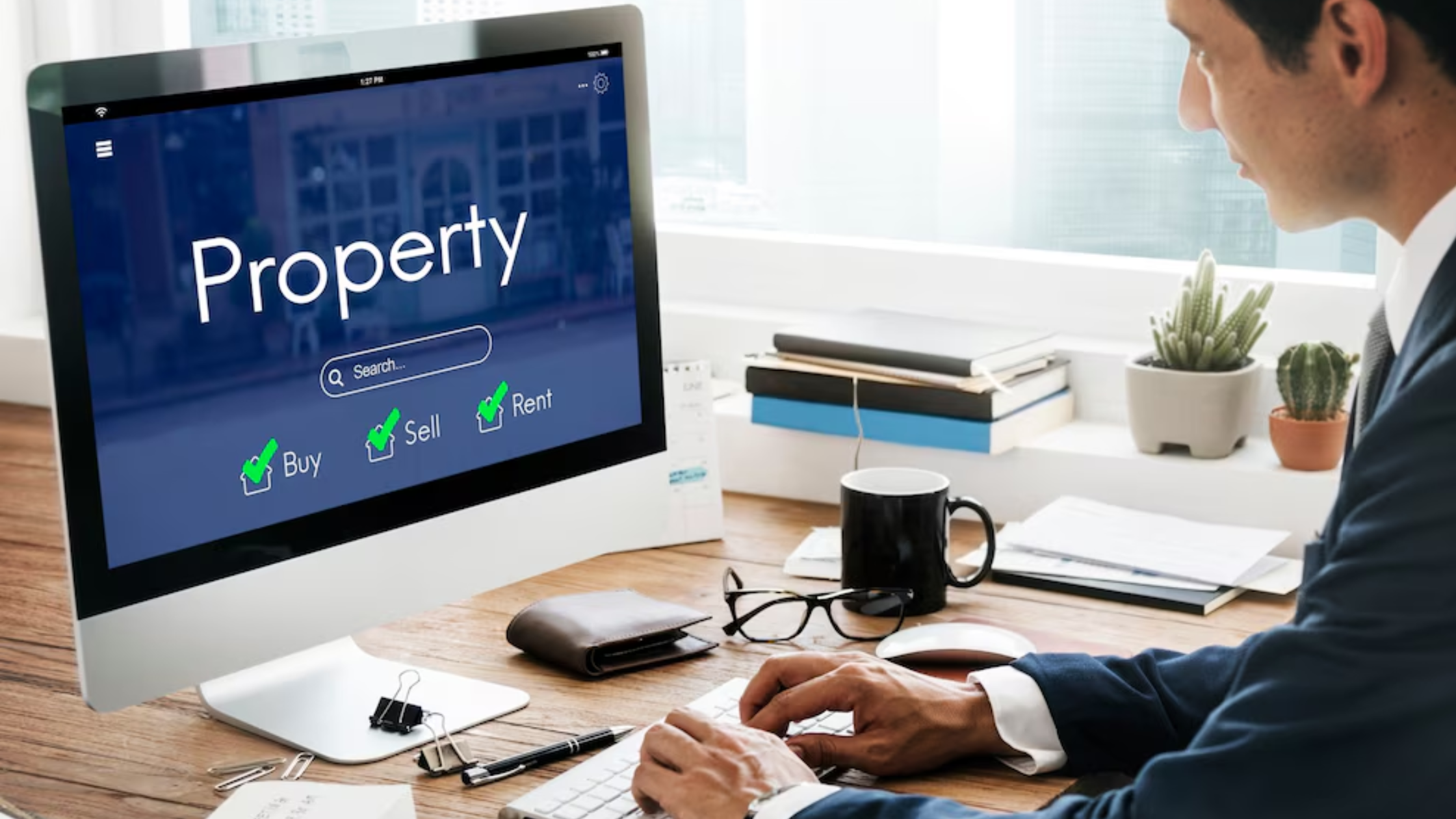
When managing a rental property, one of the most important goals is to attract and retain high-quality tenants. Quality tenants not only pay rent on time but also take care of the property and contribute to a positive atmosphere. With the right property marketing strategies, you can ensure your rental property attracts the right people. Here are 15 proven strategies that will help you achieve this goal and set your property up for success. 1. Create a Compelling Property Listing Your property listing serves as the first impression for potential tenants, so it’s important to make it count. A compelling listing should highlight the best features of your property, such as spacious rooms, newly renovated kitchens, or any unique selling points like a fireplace or a large backyard. Don’t just list the basic facts—tell a story about what makes the property feel like home. Include clear and engaging descriptions for each room, and don’t forget to add high-quality, well-lit photos to showcase ...
Managing large multifamily property portfolios comes with unique challenges, from tenant communication to lease management and maintenance tracking. Without an efficient system, property managers may struggle to maintain organization and optimize operations. This is where multifamily property management CRM plays a crucial role. A well-integrated CRM simplifies operations, enhances tenant satisfaction, and boosts overall efficiency. Why CRM is Essential for Multifamily Property Management A multifamily property management CRM acts as a centralized platform that streamlines key functions, such as lease tracking, financial management, and tenant interactions. Unlike traditional spreadsheets or disconnected software solutions, a CRM offers real-time insights, automation, and seamless integration with other property management tools. By using CRM for apartment complexes, property managers can improve response times, ensure better service delivery, and maintain clear communication with ...
Lease renewals are essential for maintaining a steady income and reducing vacancies. With changing tenant expectations and advancements in property management technology, landlords must adopt effective lease renewal strategies to maximize tenant retention. By optimizing lease agreements, improving communication, and offering incentives, landlords can ensure higher lease renewal rates. Here are 15 smart lease renewal strategies to help landlords retain tenants and streamline the renewal process in 2025. 1. Start Lease Renewal Conversations Early Initiating lease renewal discussions well in advance—typically 90 to 120 days before lease expiration—gives both landlords and tenants enough time to evaluate options. This proactive approach reduces the chances of last-minute decisions that may lead to vacancies. Sending polite reminders and discussing potential rent adjustments or incentives early can make tenants feel valued. It also provides landlords the opportunity to address tenant ...
Tenant satisfaction is a crucial factor in maintaining high occupancy rates and reducing turnover costs in rental properties. Understanding the psychology behind why tenants stay can help landlords and property managers implement effective strategies to improve retention. From emotional connections to financial considerations, several factors influence a tenant’s decision to stay or move out. In this blog, we will explore key psychological drivers of tenant satisfaction and how they impact tenant retention, property management strategies, and the overall tenant experience. Why Tenant Satisfaction Matters? Tenant satisfaction plays a crucial role in the long-term success of any rental property. When tenants are happy, they are more likely to renew their leases, reducing turnover and vacancy rates. A satisfied tenant also tends to take better care of the property, leading to fewer maintenance issues and lower repair costs over time. Additionally, happy tenants are more likely to ...
Tenant engagement is more than just ensuring rent is paid on time—it’s about fostering a sense of belonging, enhancing communication, and creating a thriving living environment. In today’s digital era, property management platforms play a crucial role in transforming isolated rental units into connected communities. These platforms streamline communication, improve access to resident amenities, and support effective community building in multi-family properties. Let’s explore how property managers can leverage technology to enhance tenant engagement and create vibrant, interactive communities. The Importance of Tenant Engagement A well-engaged tenant is more likely to renew leases, respect property rules, and contribute to a positive living environment. Low tenant engagement can lead to high turnover rates, lack of communication, and a disconnected resident experience. Modern renters expect more than just a place to live—they seek convenience, responsiveness, and a sense of community. ...
In the world of property management, tenant feedback plays a pivotal role in shaping the success of any rental property. Understanding tenant needs, addressing concerns, and maintaining high levels of satisfaction are essential to offering exceptional property management services. In this blog, we’ll explore the significance of tenant feedback, how it contributes to tenant satisfaction, and why property maintenance feedback is essential for creating superior property management services. Why Tenant Feedback Matters Tenant feedback is a valuable tool for property managers seeking to enhance their services. By listening to tenants and gathering their input, property managers can gain insights into their experiences, preferences, and concerns. This information can lead to improvements in various aspects of property management, including communication, maintenance, and overall living conditions. Tenant feedback allows property managers to identify areas for improvement, resolve issues ...
Effective student housing communication plays a crucial role in fostering a positive living environment, ensuring student satisfaction, and streamlining management processes. A well-structured communication strategy not only helps in addressing concerns but also enhances overall engagement, making student housing a comfortable and well-organized experience. This blog explores key resident engagement strategies and best practices for student housing management, ensuring seamless interactions between students and housing providers. The Importance of Effective Student Housing Communication In student housing, clear and timely communication is essential for maintaining a harmonious environment. From move-in guidelines to maintenance requests and community events, structured communication fosters trust and efficiency. Implementing multiple channels, such as emails, mobile apps, and digital signage, can significantly enhance student tenant communication and ensure that important messages ...
Managing student housing comes with its own set of unique challenges. One of the most significant hurdles property managers face is tenant turnover. The constant cycle of students moving in and out can put considerable strain on both the financial and operational aspects of property management. While many property managers focus on visible costs like rent collection or marketing, the hidden costs of student housing tenant turnover are often overlooked, leading to missed opportunities for savings and efficiency improvements. In this blog, we will explore the hidden costs associated with tenant turnover in student housing and share practical strategies to minimize these costs, creating a more profitable and efficient property management experience. Understanding Student Housing Tenant Turnover Costs Student housing tenant turnover is the process of tenants vacating the property and new tenants moving in. This can occur at the end of a semester or year, or even during the middle of the ...
The property management industry has evolved significantly with the introduction of property management software. Traditional methods that relied on spreadsheets and paperwork are now being replaced with digital solutions that offer real-time access, automation, and seamless communication. Digital portals and mobile apps have become essential tools for property managers, landlords, and tenants, improving efficiency and enhancing the overall experience. This blog explores how digital solutions, particularly property management software, are transforming the industry by streamlining operations, improving communication, and offering greater convenience for all stakeholders. Mobile Apps: The Future of Property Management The rise of mobile property management has significantly streamlined the industry, allowing landlords and property managers to access critical data from anywhere, at any time. Mobile apps have become an integral part of property management software, providing both ...