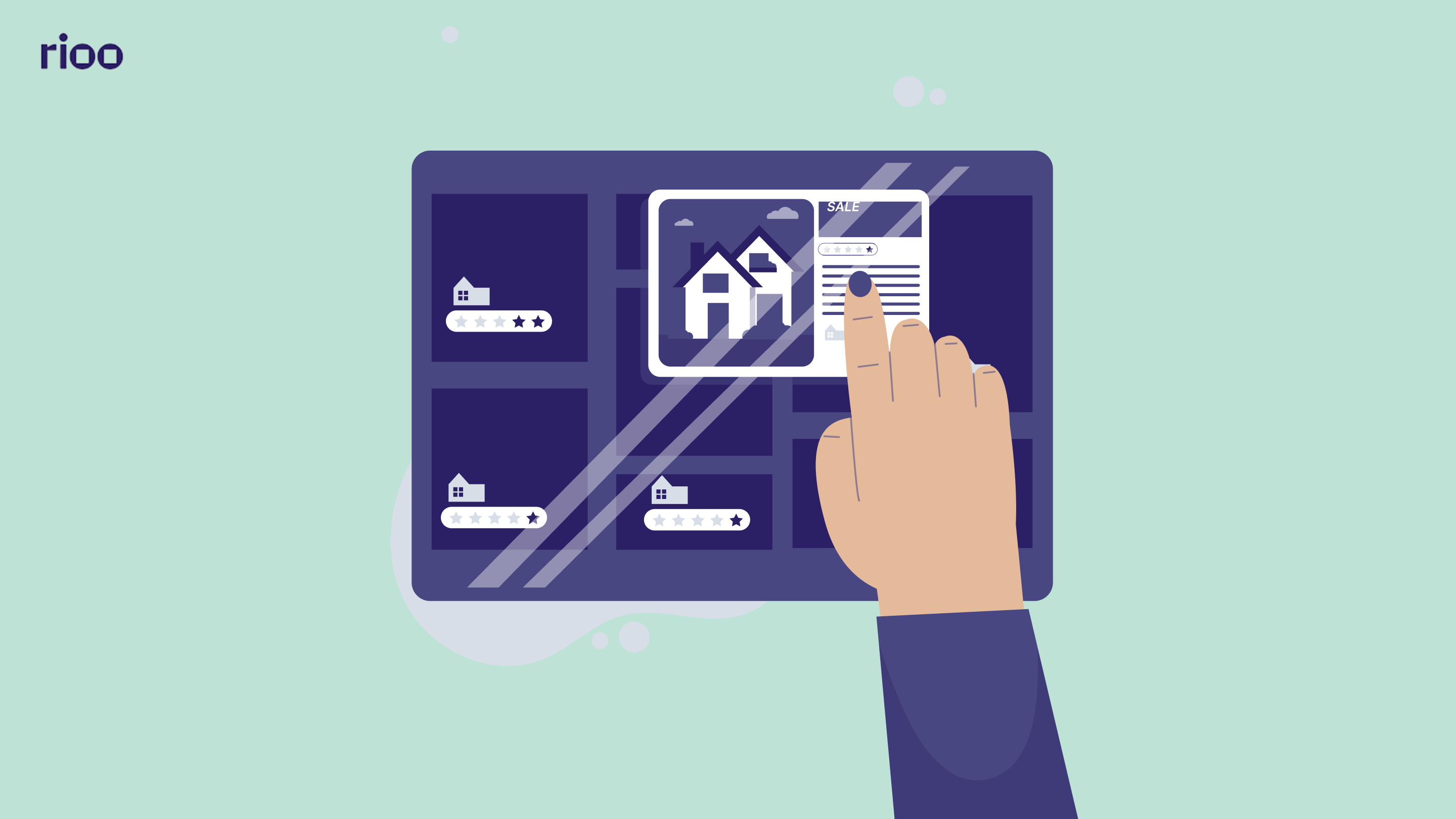
Real estate data analytics is the process of turning property operational and financial data into decisions that improve performance, reduce costs, and protect portfolio value. Most property management operations already collect the data they need to make better decisions. The problem is that the data lives in disconnected places, arrives too late to act on, and requires manual effort to assemble into anything useful. That gap between available data and actionable insight is where most operational and financial problems in property management actually originate. Real estate data analytics changes that relationship. Not by adding more data, but by making existing operational and financial data visible, connected, and current enough to inform decisions before problems compound rather than after. Real estate data analytics helps property managers: Track NOI, expenses, and budget variance in real time by property Predict vacancies before they happen using lease expiry and renewal trend ...
Most guides to choosing property management accounting software are written for landlords managing ten units. This one is written for the CFO, financial controller, or finance director managing ten entities and wondering whether their current platform will still be adequate when that number reaches twenty. The evaluation criteria that matter at institutional scale are fundamentally different from those that matter for a small residential portfolio. A landlord needs simple rent collection and basic reporting. A finance team managing a multi-entity commercial portfolio needs native consolidation, automated intercompany eliminations, CAM reconciliation connected to the expense ledger, investor reporting that assembles without manual intervention, and an audit trail that satisfies external auditors without reconstruction. Most property management accounting platforms are not built for these requirements. They are built for operational simplicity at small portfolio sizes. When a growing ...
Rental property investing rewards those who manage with data, not intuition. A property can appear profitable on the surface, with tenants paying and the mortgage covered, while quietly losing financial ground through rising expenses, below-market rents, or high tenant turnover costs that never make it onto a monthly summary. The investors who consistently build strong portfolios are not necessarily the ones who buy the best properties. They are the ones who track the right numbers, understand what those numbers are actually measuring, and respond decisively when performance drifts from target. Rental property KPIs are the specific, measurable values that answer the questions every landlord and investor should be asking continuously: Is this property generating an acceptable return? Is income coming in consistently and cleanly? Is the portfolio operationally stable? Are expenses under control? Without structured metrics, these questions get answered by gut feel and lagging signals. ...
Growing a property management business to multiple locations is not the same problem as growing it within one. Adding doors in a market you already know tests your processes. Entering a new market tests everything at once: a regulatory environment you have not operated in, a client base that does not know you, a cost structure you have to estimate rather than read off a report, and a team stretched across more than one place. This guide is about that second problem, geographic expansion. It covers how to choose the way you enter a new market, how to evaluate whether a market is worth entering at all, and how to model whether a location will make money before you commit capital to it. The operational discipline of scaling a portfolio, and the technology that supports it, are their own subjects, linked where they matter, so this guide can stay on the decisions specific to multi-market growth. Quick Summary Expansion models: organic client acquisition, company acquisition, or franchise, ...
Homeowners associations and community associations are among the most administratively complex organizations in property management. A typical HOA simultaneously manages financial accounts across hundreds of homeowners, enforces governing documents and community standards, coordinates maintenance and inspections, communicates with a resident base that has high expectations and low tolerance for poor service, and operates under legal obligations that vary by state and jurisdiction. Managing all of this through spreadsheets, email, and disconnected tools is not just inefficient. It is a risk. And as communities grow and boards turn over, the manual approach compounds: institutional knowledge walks out the door, financial records become inconsistent, and violations pile up without resolution. HOA property management software is the category of platforms built specifically to consolidate these functions into a single, structured system. When chosen well, it reduces the administrative ...
Here is a quick diagnostic. How many of these are true for your finance team right now? Your month-end close runs past day seven. Your consolidation happens in a spreadsheet built outside your accounting system. Your investor reports take days to assemble after the close. Your CAM reconciliations run weeks behind schedule. Your ASC 842 calculations live in Excel. If three or more of those are true, your team is not underperforming. Your team is absorbing accounting complexity that your current system was never designed to handle at the portfolio size you are now operating. This guide covers the ten property management accounting challenges that consistently cost growing finance teams the most time in 2026 what each one is, why it happens, and what it costs the business when it goes unresolved. Why Property Management Accounting Challenges Are Different From General Accounting Problems Most accounting problems are solved by hiring better people or implementing better processes. ...
Most commercial property management software looks similar at first glance. Lease management, maintenance tracking, financial reporting, tenant portals - the same categories appear on nearly every vendor's product page. The difference only shows up after implementation, when teams realize the features do not go deep enough to handle real portfolio complexity. Most platforms list the same five categories. What they do not list is how shallow those capabilities run when the portfolio gets complex. That is where the real cost difference lives. This guide goes beyond the category names. It covers what each core feature area actually needs to do to be useful in a commercial property management context, what good looks like versus what minimum viable looks like, and where the gaps between them show up operationally. Features That Actually Matter in Commercial Property Management Software Lease management depth - not just lease storage Property-level financial reporting - not portfolio-only ...
Managing maintenance requests effectively means having a clear process from the moment a tenant submits a request to the moment the work is completed, documented, and closed - with the right people informed at every stage, nothing falling through the cracks, and a record that protects everyone involved. For a single landlord with two properties, a phone call and a handyman can handle most of it. For a property management company running 50, 100, or 500 units across residential and commercial properties, that approach breaks down fast - and the cost of getting it wrong is measured in lost tenants, damaged relationships, expensive emergency repairs, and legal exposure. This guide covers the full picture: what maintenance requests are, how to prioritize them, how the workflow should run, what commercial properties require differently, how to shift from reactive to preventive, the KPIs that separate well-managed operations from reactive ones, and what good looks like at portfolio scale. ...
Most facility management teams are not short on data. Work orders are logged. Maintenance schedules are tracked. Energy bills arrive monthly. Inspection records pile up in shared drives. The data exists, but for a large number of FM teams, it sits disconnected, reviewed inconsistently, and acted on too late. The difference between a reactive facility management operation and a high-performing one is not the volume of data collected. It is the discipline of measuring the right things, against the right benchmarks, on the right cadence, and building clear workflows around what the numbers reveal. Facility management KPIs are the quantifiable metrics that convert daily FM activity into business intelligence. They tell you whether assets are being maintained proactively or reactively, whether costs are tracking to budget or drifting quietly over it, whether occupants are satisfied or silently planning not to renew, and whether the compliance obligations that carry legal and financial risk ...