For many years, public housing oversight was tied to manual processes. From handwritten forms and physical files to spreadsheets and fax machines, housing authorities were managing vast amounts of information without the help of centralized systems. This made it hard to maintain consistency, ensure compliance, and track the effectiveness of housing programs over time. Today, things look very different. Thanks to advances in digital housing management, public housing agencies are now transitioning to modern systems that support real-time monitoring, automated reporting, and data-driven decision-making. These new tools are helping agencies serve residents more efficiently while also improving transparency and accountability. Let’s look at how this shift is unfolding — and why it matters. Why the Shift Was Needed The traditional model of public housing oversight was heavily dependent on paper documentation, siloed data, and slow communication. Staff often had to sort through filing ...
Managing rental properties requires landlords to handle multiple tasks, from rent collection and lease agreements to maintenance requests and financial tracking. Efficient landlord software features simplify these processes, saving time and improving accuracy. With the right property management software, landlords can automate essential tasks, reduce administrative work, and enhance tenant satisfaction. If you’re looking for the best rental property management solution, here’s a detailed checklist of must-have features to ensure smooth operations. 1. Automated Rent Collection Collecting rent manually can be time-consuming and prone to delays. A key landlord software feature is an automated rent collection system that allows tenants to pay online through various methods like credit cards, bank transfers, or digital wallets. This feature helps landlords receive payments on time by sending automated reminders before due dates, reducing late payments and improving cash flow. Additionally, ...
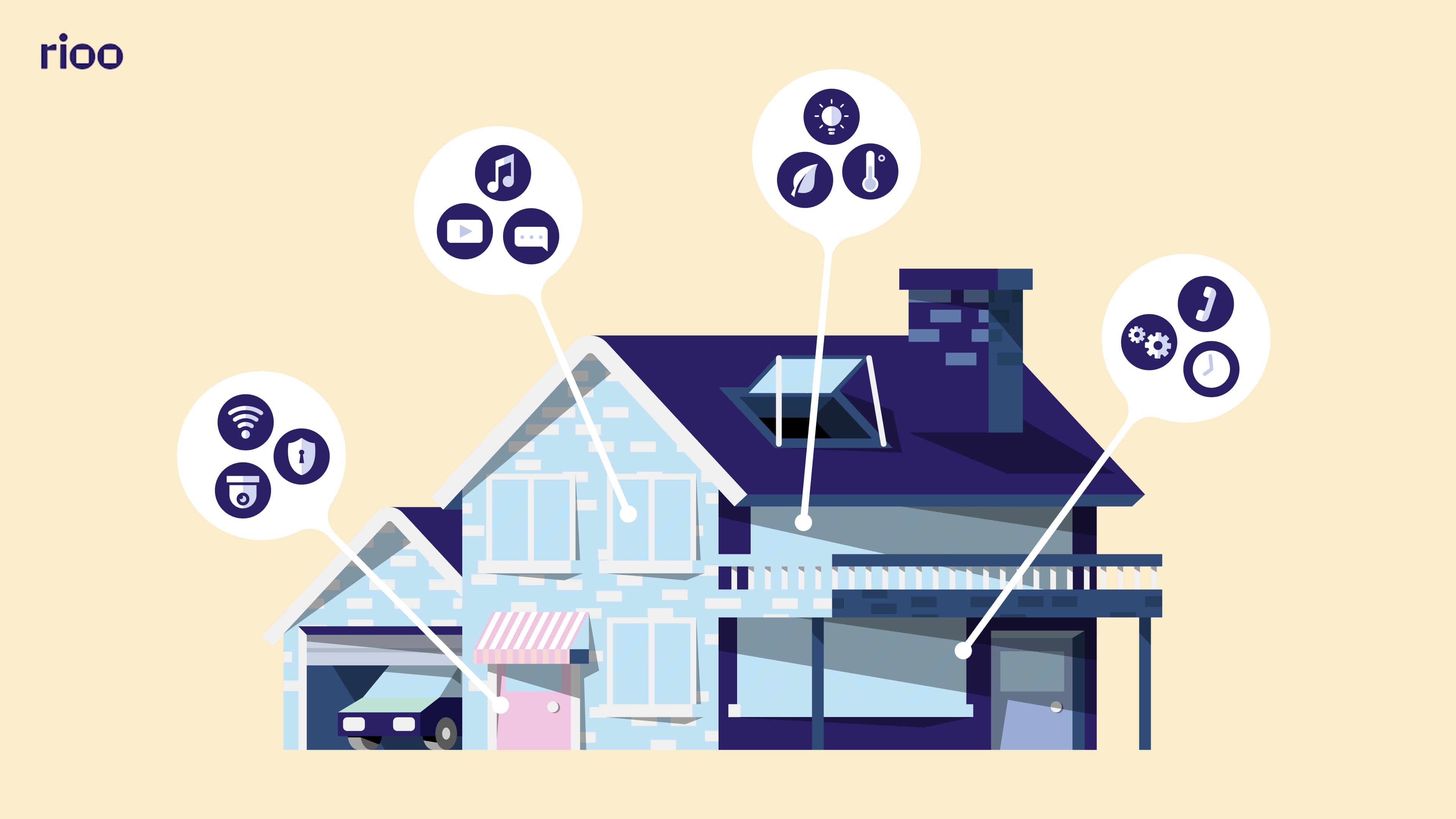
Shopping malls are no longer just places for shopping; they have transformed into technology-driven spaces that enhance customer experiences and streamline operations. The integration of smart technology in shopping malls is driving efficiency, improving security, and personalizing interactions with shoppers. From tenant management to energy conservation, technology is redefining how malls operate in the modern world. The Digital Shift in Shopping Mall Management The retail industry is evolving rapidly, and shopping malls must keep up with technological advancements to stay competitive. Traditional management approaches are being replaced by retail technology innovations that provide real-time insights and automation. Smart systems enable mall operators to optimize leasing, monitor foot traffic, and create more engaging customer experiences. These digital solutions allow property managers to understand customer preferences, adjust marketing strategies, and ensure a dynamic shopping ...
Managing industrial properties involves handling multiple responsibilities, from lease management and maintenance tracking to asset optimization and financial planning. A well-designed industrial property management software helps property managers streamline operations, reduce costs, and enhance efficiency. Whether you manage warehouses, factories, or distribution centers, the right software can centralize data, automate processes, and improve decision-making. In this blog, we’ll explore the key features that make a property management platform effective. 1. Centralized Property and Lease Management Industrial properties often have multiple tenants, complex lease agreements, and varying rental terms. Keeping track of these manually can lead to errors, missed deadlines, and financial discrepancies. A centralized industrial property management software offers a unified dashboard where property managers can store lease agreements, track rent payments, and manage renewals in one place. ...
Managing office spaces efficiently has become a top priority for businesses and property managers. Traditional property management methods often lead to underutilized spaces, high operational costs, and administrative inefficiencies. With the rise of smart property management solutions, companies can now automate processes, gain real-time insights, and optimize the way office spaces are used. This blog explores the role of smart property management solutions in improving office space optimization, how space utilization analytics enhances efficiency, and the benefits of integrated workplace management systems in modern offices. Struggling with Office Space Chaos? Here’s What’s Holding You Back! Managing commercial properties comes with several complexities, especially when it comes to maximizing space usage, handling leases, and maintaining properties. Here are some of the major challenges businesses face: 1. Inefficient Space Utilization - Many businesses struggle to utilize their ...
Managing rental properties manually might seem cost-effective at first, but it often leads to unexpected expenses that drain profits over time. The hidden costs of manual property management include inefficiencies in rent collection, maintenance tracking, tenant communication, and administrative tasks. These challenges not only increase operational costs but also lead to lost revenue opportunities. By adopting automated property management solutions, businesses can eliminate these inefficiencies, improve cash flow, and enhance tenant satisfaction. In this blog, we will break down the hidden costs of manual property management and how property management apps provide a streamlined, cost-effective alternative. The True Costs of Manual Property Management Many property managers underestimate how much time and money they lose by sticking to traditional methods. From paperwork overload to payment delays, the inefficiencies of manual processes create ongoing financial burdens. Below are ...
Managing tenant eligibility and turnover efficiently is a critical challenge in social housing. High tenant turnover rates, complex eligibility requirements, and administrative bottlenecks make it difficult for property managers to maintain stability and ensure that housing is allocated fairly and efficiently. Traditional methods often involve time-consuming paperwork, manual checks, and inconsistent record-keeping, leading to delays and inefficiencies. With advancements in digital tenant management in social housing, property management platforms are transforming how public and social housing providers handle tenant applications, approvals, and transitions. These solutions leverage automation, data integration, and centralized platforms to streamline processes, ensuring faster decision-making, reduced administrative burden, and improved tenant satisfaction. Challenges in Tenant Eligibility & Turnover Management Social housing providers face several hurdles when managing tenant ...
Managing rental properties involves multiple tasks, from rent collection to maintenance and tenant communication. Traditional methods can be inefficient, leading to errors and delays. Cloud-based property management systems provide a streamlined, automated, and efficient approach to handling rental operations. This blog explores the benefits of cloud-based solutions and why landlords should consider switching to modern technology. 1. Increased Accessibility and Convenience A cloud-based property management system allows landlords to manage their properties from anywhere with an internet connection. Whether at home or traveling, they can access tenant information, rental payments, and maintenance requests in real time. This convenience eliminates the need for physical paperwork, making operations seamless. Tenants also benefit by submitting requests online without needing to visit an office, improving overall satisfaction and efficiency. Key Benefits: Access rental records, leases, and ...
Technology is reshaping the real estate industry, and Virtual and Augmented Reality in Real Estate is at the forefront of this transformation. These technologies are enhancing the way properties are showcased, making the buying and renting experience more interactive and efficient. From Immersive Property Tours to virtual staging, AR and VR are changing how people explore real estate. This blog explores how Virtual and Augmented Reality in Real Estate is shaping the industry's future and what it means for buyers, sellers, and agents. The Rise of Virtual and Augmented Reality in Real Estate Real estate has traditionally relied on physical property visits and 2D images to attract buyers. However, Virtual and Augmented Reality in Real Estate has revolutionized the way properties are marketed and experienced. With the ability to provide 360-degree virtual tours and interactive property visualization, these technologies make the process more convenient for both real estate professionals ...