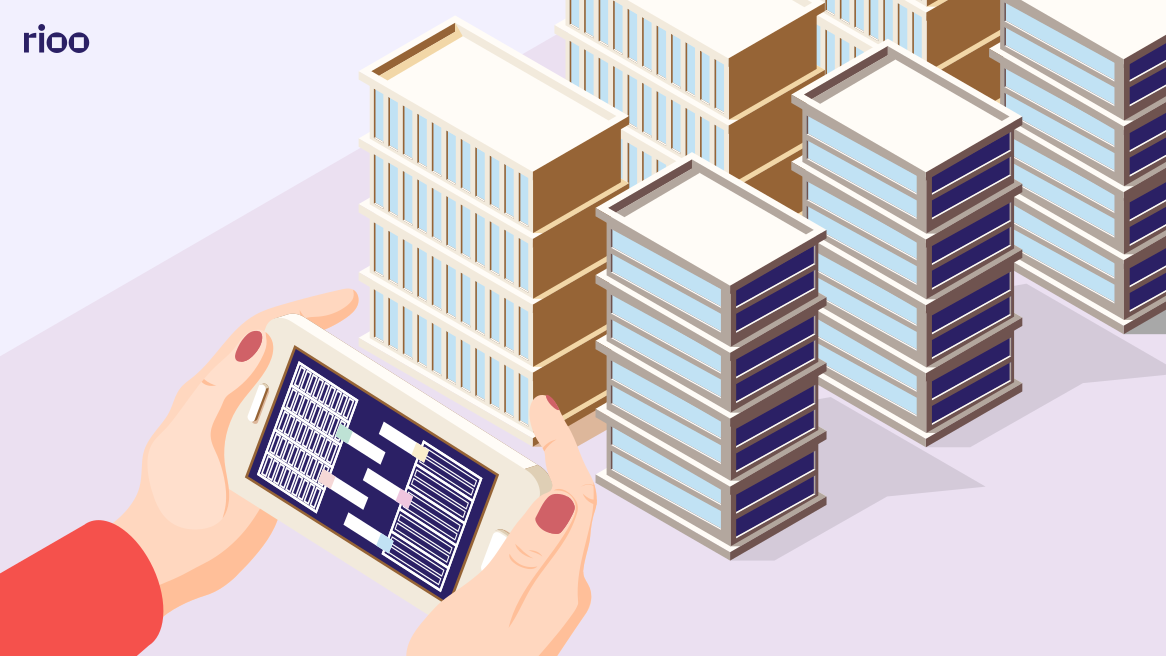
Expanding into multifamily housing comes with significant challenges, from managing multiple units and tenants to ensuring seamless maintenance and financial operations. Multifamily property management software integration plays a crucial role in streamlining operations, improving efficiency, and driving business growth. By integrating the right technology solutions, property managers can handle complex workflows with ease and enhance tenant satisfaction. The Need for Software Integration in Multifamily Property Management As property management businesses grow, the complexity of handling multifamily units increases. Managing tenant communications, lease agreements, maintenance requests, and financial tracking manually can be time-consuming and error-prone. Multifamily property management software integration allows businesses to unify their operations under a single platform, reducing inefficiencies and improving overall productivity. Key benefits of software integration in ...
Managing rental properties involves much more than just collecting rent. Property managers juggle multiple responsibilities, including handling maintenance requests, communicating with tenants, managing leases, and overseeing vendor services. Without the right tools, these tasks can be overwhelming, leading to inefficiencies and unnecessary delays. While rent collection is one of the primary functions of property management software, its benefits extend far beyond that. By automating various aspects of property management, this technology helps professionals save time, reduce manual workloads, and enhance operational efficiency. Let’s explore some unexpected ways property management software streamlines property management and simplifies daily operations. 1. Faster and More Efficient Tenant Communication Clear and timely communication is crucial in property management, yet it often becomes a bottleneck. Traditional methods such as emails, phone calls, and physical notices are ...
The commercial real estate industry has undergone significant transformation over the years, and 2025 is set to be a defining moment with PropTech in Commercial Real Estate reshaping the landscape. From artificial intelligence (AI) and automation to smart building innovations, technology is driving efficiency, reducing costs, and improving tenant experiences. As we step into the future, real estate professionals must adapt to these advancements to stay competitive. This blog explores how PropTech in Commercial Real Estate is evolving in 2025, highlighting key trends and innovations shaping the industry. The Rise of PropTech in Commercial Real Estate PropTech in Commercial Real Estate refers to the integration of technology-driven solutions that enhance property management, leasing, maintenance, and overall operations. In 2025, we see a surge in digital platforms that streamline communication, automate workflows, and provide real-time insights into property performance. Some of the ...
Managing rental properties involves numerous responsibilities, including lease tracking, tenant communication, rent collection, and compliance management. Traditionally, these tasks were handled manually, often resulting in inefficiencies, missed deadlines, and administrative burdens. With the introduction of Lease Management Software, property managers can streamline operations, reduce errors, and optimize time management. By automating essential processes and providing centralized access to lease data, this software enhances overall efficiency and helps property managers maintain a well-organized and profitable rental business. Lease Management, Simplified: A Smarter Way to Stay Organized Lease Management Software is a digital solution designed to automate and simplify lease-related tasks, making property management more organized and efficient. This software provides a centralized platform where property managers can handle lease agreements, payment processing, tenant ...
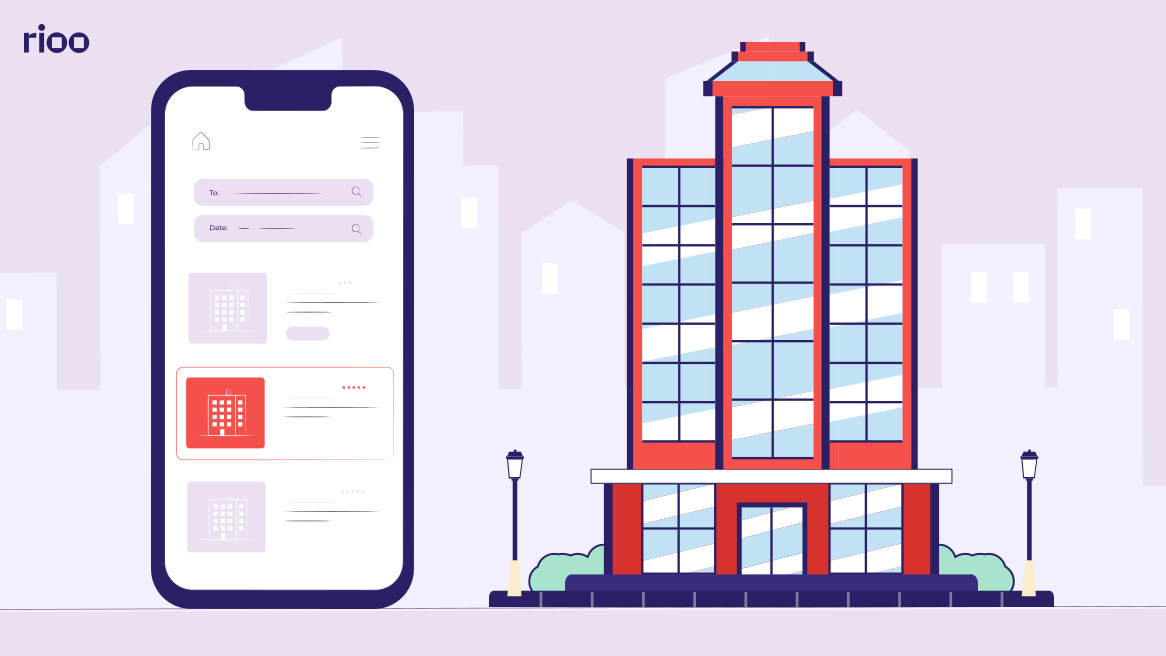
Managing rental properties efficiently requires a robust system that streamlines operations, ensures data security, and enhances tenant experience. When it comes to choosing the right solution, property managers often weigh the benefits of cloud-based property management against on-premise property management. Each approach has its advantages and limitations, making it crucial to determine which one aligns best with business needs. Understanding Property Management Systems A property management system (PMS) helps automate tasks like tenant communication, rent collection, maintenance tracking, and financial reporting. These systems come in two types: cloud-based and on-premise property management. While both improve efficiency, they differ in cost, accessibility, and maintenance. Choosing the right one depends on business needs, scalability, and data management preferences. Manage Properties Anytime, Anywhere: The Power of Cloud-Based Property Management Cloud-based property management ...
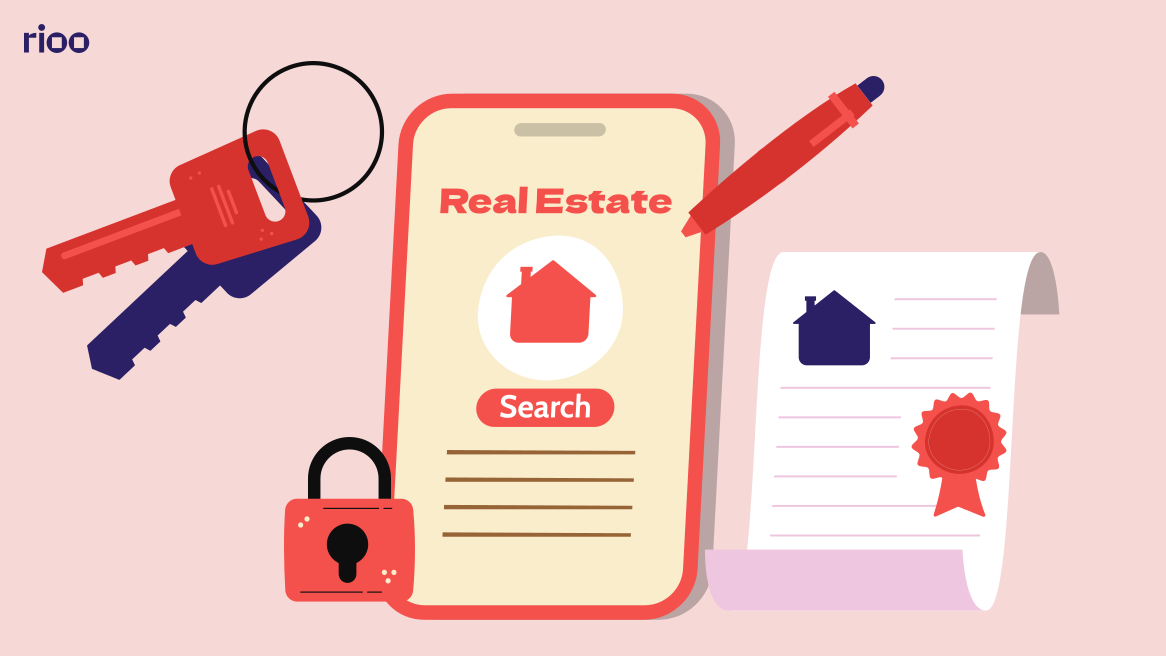
In today's fast-paced real estate industry, managing multiple properties efficiently requires more than just traditional spreadsheets or generic software. Custom Property Management Dashboards offer a tailored approach, providing real-time insights and essential tools to streamline operations. From financial tracking to maintenance requests, these dashboards consolidate critical information into one intuitive interface, making property management smarter and more efficient. Why Property Managers Need Custom Dashboards Property management involves juggling multiple responsibilities, from lease tracking and rent collection to maintenance coordination and tenant communication. While generic property management software provides basic tools, it often lacks the flexibility needed for seamless operations. A custom property management dashboard consolidates all essential functions into a single platform, offering real-time insights and tailored features that align with a property manager’s ...
Managing single and multifamily properties has traditionally been a complex process, requiring significant time and effort. However, advancements in property management technology are reshaping the industry, making operations more efficient, cost-effective, and tenant-friendly. From smart home technology to automation, digital platforms, and AI in property management, modern solutions are streamlining the way property managers oversee their portfolios. This blog explores how technology is revolutionizing property management for single and multifamily housing. The Role of Property Management Technology Property management technology is designed to simplify operations, reduce manual workloads, and enhance tenant experiences. It integrates various tools that allow property managers to handle leasing, maintenance, financial management, and tenant communication in a single platform. With the right technology in place, property managers can optimize their portfolios and focus on growth ...
Rent collection has traditionally been a tedious process, often involving manual record-keeping, paper checks, and frequent follow-ups. However, an online rent payment system has revolutionized the way landlords and tenants handle rent payments. With automated reminders, secure transactions, and real-time tracking, these systems improve transparency and significantly reduce payment delays. This blog explores how adopting an online rent payment system benefits both landlords and tenants while making rent collection effortless. Challenges of Traditional Rent Collection Before diving into the advantages of an online rent payment system, it's important to understand the common issues landlords and tenants face with conventional methods: Delayed Payments: Manual rent collection relies on tenants remembering due dates, often leading to late payments, follow-ups, and unnecessary delays in receiving rent. Lack of Transparency: Paper receipts and manual transfers create tracking issues, making ...
Managing multifamily properties comes with many responsibilities, from handling leases and rent collection to maintenance requests and tenant communication. Traditionally, property managers relied on paper records, spreadsheets, and manual processes. However, as technology advances, cloud-based property management has become the best solution for managing multifamily properties efficiently. In this blog, we’ll explore why shifting from paper to digital is essential and how cloud-based property management can make a significant difference. The Challenges of Traditional Property Management For years, property managers have used paper files and spreadsheets to track leases, payments, and maintenance tasks. While these methods may have worked in the past, they come with many challenges: Time-Consuming Processes – Manually updating records, filing documents, and handling tenant requests can take up valuable time. Risk of Errors – Lost paperwork, incorrect lease details, and misfiled ...