Resources · Glossary
What is a rent roll?
A rent roll is a list of units with tenants, lease dates, rent, deposits and balances at a given date. Owners, lenders and buyers use it to understand a property's income at a glance.
| Term | Area |
|---|---|
| Rent roll | Property reporting |
| Tenant ledger | Glossary |
| Dashboards & reports | Modules |
What does a rent roll include?
Typical columns are the unit, its type and size, tenant name, lease start and end dates, current rent and other recurring charges, security deposit held, balance owed or prepaid, and status such as occupied, vacant or notice given. Commercial rent rolls often add recoveries, options and escalation dates.
A rent roll is a snapshot: it should state its "as of" date. It differs from a tenant ledger, which is the transaction history for one tenant. Reconciling the rent roll to the general ledger each month catches billing and posting errors early.
See also: Dashboards & reports.
What does a rent roll look like?
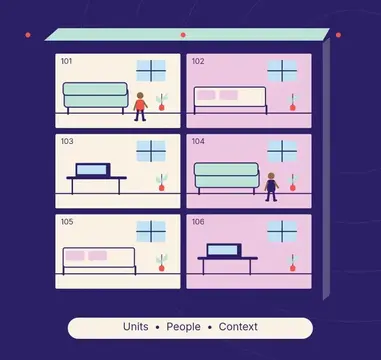
Example rows (illustrative). Unit 101, 2-bed, Lee, lease 1 Feb 2026 to 31 Jan 2027, rent $1,750, deposit $1,750, balance $0, occupied. Unit 102, 1-bed, vacant since 15 Sep, market rent $1,450. Unit 103, 2-bed, Patel, lease ends 30 Nov, notice given, balance $125.

Why do lenders ask for a rent roll?
Lenders use the rent roll to check the income supporting a loan: how many units are let, at what rents, for how long, and whether tenants are paying. They often compare it with bank statements and leases during underwriting. A rent roll that ties back to the general ledger is easier to verify and can shorten the review.
How is a rent roll different from a tenant ledger?
A rent roll is a snapshot across all units at a date. A tenant ledger is the running record of charges and payments for one tenant over time. Balances on the rent roll should agree with the ledgers behind them.
How often should a rent roll be updated?
At least monthly, in line with billing and month-end close, and whenever it is shared with owners, lenders or buyers. Always state the "as of" date, because rents, balances and occupancy change constantly. A dated rent roll that matches the month-end ledger is easier for owners, lenders and buyers to rely on, and changes since the last version can be explained.
Related
Related terms