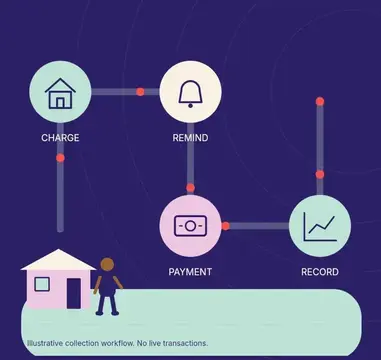

















An annual gas safety check by a Gas Safe registered engineer, with the record given to tenants.
Markets · United Kingdom
Landlord compliance software for UK certificates and HMO licensing
RIOO keeps UK landlord compliance in one register: gas safety records, EICRs, EPCs, smoke and carbon monoxide alarms, HMO and selective licences, Right to Rent checks and legionella assessments, each tracked by property or unit with deadlines, evidence and contractor work orders on NetSuite.
United Kingdom · Compliance certificates & HMO licensingUnited Kingdom
GBP · VAT- Gas safetyAnnual
- EICREvery 5 years
- EPCRating E or above
- Smoke & COAlarms tested
Capabilities
Which compliance obligations apply to UK landlords?
For private rented homes in England, the core obligations are annual gas safety checks, electrical inspections every five years, a valid EPC, smoke and carbon monoxide alarms, deposit protection, Right to Rent checks and HMO licensing where it applies. The main obligations include:
Wales and Scotland have their own regimes, including landlord registration and different electrical and alarm rules. Confirmlegal review; EPC minimum changes Guides: HMO licensing in England, HMO licensing in Scotland, Right to Rent checks and property management in England: key rules for 2026.
An electrical installation condition report (EICR) at least every five years.
A valid energy performance certificate meeting the minimum rating.
Smoke alarms on every storey, and carbon monoxide alarms in rooms with fixed combustion appliances.
Right to Rent immigration checks.
Legionella risk assessment.
Licensing for houses in multiple occupation (HMOs) and any additional or selective licensing schemes run by the local council.
Why is UK compliance hard to manage at scale?
Each property carries several certificates with different renewal cycles, councils set their own licensing schemes and conditions, contractors must be booked and access arranged with tenants, and evidence must be kept for years. Across hundreds of properties, a spreadsheet of expiry dates quickly falls behind. Linking each obligation to the property record and a work order keeps the cycle running.
Compare
What is an HMO?
A house in multiple occupation, or HMO, is a property rented to at least three people from more than one household who share facilities such as a kitchen or bathroom. Large HMOs with five or more people from two or more households need a mandatory licence in England, and councils can require additional or selective licensing for other properties.
| Licence type | When it applies | Who sets it |
|---|---|---|
| Mandatory HMO | Five or more people, two or more households, shared facilities | National rule in England |
| Additional HMO | Smaller HMOs in designated areas | Local council |
| Selective | All private rentals in designated areas | Local council |
How it works
How does an HMO licence renewal work in RIOO?
An HMO licence renewal in RIOO starts from the licence record on the property: its conditions and expiry date trigger a renewal task months ahead, the team gathers current certificates and floor plans, submits the application to the council, and records the new licence and conditions when it is granted.
- 01
Register
The licence, its conditions and expiry are recorded on the property.
- 02
Remind
Tasks fire months ahead, giving time to gather documents.
- 03
Check conditions
Occupancy limits are compared with current tenancies; room sizes and amenities are reviewed.
- 04
Assemble evidence
Current gas, electrical and fire certificates are pulled from the register.
- 05
Apply and pay
The application and fee are recorded, with the council's reference.
- 06
Update
The new licence and conditions replace the old ones; the next cycle is scheduled.
Compare
What does a compliance view look like?
A compliance view in RIOO lists each obligation per property, such as gas safety, EICR, EPC and HMO licence, with its typical cycle, the evidence held, its due date and what happens if it lapses. Managers can filter it by region or fund to see what is overdue.
Orientation only; obligations and penalties vary. Confirmlegal review
| Obligation | Typical cycle | Evidence held | Consequence of lapse |
|---|---|---|---|
| Gas safety record | 12 months | Certificate | Fines, restrictions on possession |
| EICR | 5 years | Report and remedial proof | Financial penalties |
| EPC | 10 years | Certificate | Letting restrictions |
| HMO licence | Up to 5 years | Licence and conditions | Penalties, rent repayment orders |
| Smoke and CO alarms | At start of each tenancy | Check record | Penalties |
| Right to Rent | At start, and follow-ups | Check record | Civil penalties |
What happens when certificates lapse?
Lapsed certificates can lead to fines, invalid notices and, for HMOs, licence breaches with penalties set by the council. Some possession notices cannot be served without valid gas and energy certificates. Tracking expiry dates and booking renewals in advance is cheaper than dealing with enforcement.
What do HMO licence conditions usually require?
Councils typically set conditions on maximum occupants, minimum room sizes, fire safety measures, amenity standards such as kitchens and bathrooms, waste arrangements and management standards. Breaching conditions can bring civil penalties or prosecution. Record conditions on the licence and check them during inspections.
What evidence should you keep?
Keep certificates, inspection reports, contractor invoices, tenant acknowledgements of receipt, licence documents and correspondence with councils. Store them against the property in RIOO so they are available for audits, deposit disputes and possession claims, where a missing gas safety record or EPC can stop a claim.
Why does NetSuite-native matter for compliance?
NetSuite-native matters for compliance because a lapsed certificate can stop a possession claim or trigger a penalty. With certificates, contractors, work orders and costs in one NetSuite-based system, you can show what was done, when and by whom, and what compliance costs per property.
How do compliance costs reach the ledger?
Compliance costs reach the ledger as vendor bills: each inspection or certificate is billed against the property in NetSuite, so compliance spend is visible by property and category alongside budgets. Where leases allow, costs for common parts can be recovered through service charges to leaseholders or tenants.
In detail
What does RIOO track for UK compliance?
RIOO tracks the UK compliance items landlords are tested on: gas appliances and safety records, EICRs, EPC ratings, smoke and carbon monoxide alarms, HMO and selective licences, deposit protection, Right to Rent checks and landlord registration, each with dates, evidence, reminders and the contractor responsible.
Gas safety
Appliances per property, last check, expiry and certificate, with the next check scheduled within the allowed window.
Electrical safety
EICR dates, observations and remedial work orders with completion evidence.
EPC
Rating, expiry and planned improvement works.
Alarms
Installation and check-in-tenancy records for smoke and CO alarms.
HMO and selective licences
Licence numbers, conditions, occupancy limits, expiry and council contacts.
Right to Rent
Check dates, document types and follow-up dates for time-limited permissions. Confirmdata handling approach
Fire safety
Fire risk assessments, fire doors and emergency lighting for blocks and HMOs.
Legionella
Risk assessments and any control measures.
Use cases
Which certificates do UK landlords need?
UK landlords typically need a Gas Safety Record renewed every year, an Electrical Installation Condition Report every five years, a valid Energy Performance Certificate, and evidence of working smoke and carbon monoxide alarms. HMOs also need a licence, and Scotland and Wales add their own requirements.
Gas Safety Record
Annual check by a Gas Safe registered engineer, copy to tenants.
Electrical Installation Condition Report
At least every five years in England, Scotland and Wales.
Energy Performance Certificate
Valid for ten years, with minimum energy efficiency standards for letting.
Smoke and carbon monoxide alarms
Checked at the start of each tenancy, with rules on location.
Legionella risk assessment
Recommended for water systems.
Fire risk assessment
Required for HMOs and common parts of blocks.
How it works
How does RIOO track compliance across a UK portfolio?
RIOO tracks compliance across a UK portfolio by recording every licence and certificate on its property with issue and expiry dates, raising reminders and contractor work orders before each lapses, and showing status by property, region or fund. Costs post to NetSuite as each check is billed.
- 01
Each property records its licences and certificates with issue and expiry dates.
- 02
Renewal tasks are raised a set number of days before expiry.
- 03
Inspections are booked as work orders with approved contractors.
- 04
New certificates are uploaded to the property and dates updated.
- 05
A compliance view shows overdue and upcoming items by property and region.
Who is responsible when an agent manages the property?
When an agent manages the property, responsibility depends on the management agreement, but the landlord usually remains legally responsible for safety and compliance. Agents often arrange checks and keep records, so record who is responsible for each obligation in RIOO so nothing falls between the two.
Checklist
Compliance calendar checklist
- Gas safety: every 12 months.
- EICR: every five years.
- EPC: every ten years, and before marketing.
- Alarms: every new tenancy.
- HMO licence: renewal usually every five years.
- Fire risk assessment: reviewed regularly and after changes.
Talk to a specialist
See compliance certificates & HMO licensing on your own portfolio.
RIOO keeps UK landlord compliance in one register: gas safety records, EICRs, EPCs, smoke and carbon monoxide alarms, HMO and selective licences, Right to Rent checks and legionella assessments, each tracked by property or unit with deadlines, evidence and contractor work orders on NetSuite.
Which certificates does a UK landlord need?
In England, landlords generally need an annual gas safety record, an EICR at least every five years, a valid EPC, working smoke and carbon monoxide alarms, completed Right to Rent checks and any applicable HMO or selective licence. Wales and Scotland differ.
Can RIOO remind us before a gas safety certificate expires?
Yes. Each gas safety certificate in RIOO has an expiry date and reminders at intervals you choose, such as 60 and 30 days before. The renewal can be issued as a work order to a Gas Safe registered contractor, and the new certificate is attached to the property when the job closes.
Does RIOO track HMO licence conditions?
Yes. RIOO records each HMO licence's number, issuing council, conditions, permitted occupancy and expiry date on the property. Current occupancy can be compared with active tenancies, so managers can see when a house nears its licensed limit, and renewal tasks are raised well before the licence expires.
Can contractors upload EICR reports?
Contractors provide EICR reports with their completed work orders, and staff attach them to the property record with the inspection date and next due date. Whether contractors can upload reports directly through a portal depends on your setup, so confirm it during implementation. Confirm
Does RIOO cover Scottish and Welsh rules?
Yes. RIOO can track any obligation type, so Scottish and Welsh requirements, such as landlord registration, Welsh licensing through Rent Smart Wales and Scottish repairing standards, can be configured per property based on your advisers' guidance. Each obligation gets its own dates, evidence and renewal tasks.
Can tenants see certificates in the portal?
Certificates such as gas safety records, EICRs and EPCs can be shared with tenants through the resident portal where you are required to provide copies, alongside other tenancy documents. Confirm portal document sharing for your setup, and keep a record of when each copy was provided. Confirmportal document sharing
Can RIOO track licences in different councils?
Yes. Each licence in RIOO records the issuing council, licence type, such as mandatory, additional or selective, the licence number, conditions and expiry date. That lets portfolios spread across many councils see every licence, its conditions and its renewal date in one view, filtered by council or region.
Does RIOO book contractors automatically?
RIOO raises renewal tasks before a certificate or licence lapses, and those tasks create work orders that can be assigned to approved contractors for each obligation type. Scheduling the visit with the tenant is still confirmed by your team or contractor, and access attempts are recorded on the work order.
Does RIOO cover Scotland and Wales?
Yes. RIOO configures certificates, registrations and licences per nation, so properties in Scotland and Wales track landlord registration, Rent Smart Wales licensing and local safety requirements alongside the rules in England. Each property follows its own nation's obligations, with reminders and evidence on the same record.
Can we report compliance by region?
Yes. Compliance status in RIOO can be filtered by property, region, fund or obligation type, showing what is current, due soon and overdue. Because the data sits in NetSuite, the same view can feed board and investor reports, along with compliance spend by property from vendor bills.
What if a contractor cannot get access?
Record each access attempt on the work order in RIOO, with the date, method of contact and outcome. Evidence of reasonable attempts matters if a certificate becomes late because a tenant refused entry, and it supports your position with councils, insurers or a court. Reschedule the visit as a new appointment.
Can RIOO track Awaab's Law and damp and mould repairs?
Damp and mould reports can be raised in RIOO as priority work orders, with investigation and repair deadlines tracked on each job and evidence attached. Social landlords should confirm that the configured timelines match the Awaab's Law requirements that apply to them. Confirmsocial housing timelines scope
Are certificates stored against the property?
Yes. Certificates are stored against the property, or the unit where relevant, with issue and expiry dates, the document itself and the contractor who carried out the check. That gives a complete compliance history per home for audits, disputes and possession claims, without searching email or shared drives.
Related
Related to compliance certificates & HMO licensing