Property management, built natively on Oracle NetSuite

Request a demo

Platform

Six connected areas on one NetSuite system of record.

Solutions

Start from the places you manage, the business you run, your role or the workflow you want to fix.

NetSuite

Property management built natively on NetSuite, not synced to it.

Integrations

External tools exchange data with RIOO. Core property and financial records stay in NetSuite.

Markets

Localised pages for the five markets RIOO serves, with the rules that change how property is run.

Resources

Answers for choosing, implementing and running property management on NetSuite.

Company

The team behind the NetSuite-native property platform.

Resources · Glossary

What is an estoppel certificate?

An estoppel certificate is a signed statement by a tenant confirming lease terms, rent and any defaults, often required by lenders or buyers. Once signed, the tenant generally cannot later claim facts that contradict it.

How is an estoppel certificate used?

When a property is sold or refinanced, the buyer or lender wants independent confirmation that leases are as the landlord describes. The landlord sends each tenant a certificate to complete and sign, as most commercial leases require within a set number of days.

Typical confirmations include the lease documents and amendments, the start and end dates, current rent and charges, the security deposit held, any prepaid rent, options to renew or terminate, and whether either party is in default. Tenants should check each statement against their own records before signing.

See also: Commercial lease administration.
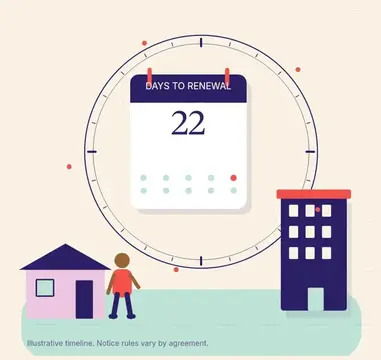
Illustration for estoppel certificate in property management

What does an estoppel certificate cover?

Example checklist (illustrative). Lease dated 1 March 2022 with one amendment; term ends 28 February 2027; base rent $8,500 a month; CAM estimates $1,200 a month; security deposit $17,000; no rent paid more than one month in advance; one 5-year renewal option; no known defaults by landlord or tenant.

Illustration for estoppel certificate in property management

FAQ

Estoppel certificate FAQs

Still curious? Ask the team.

Does a tenant have to sign an estoppel certificate?

Most commercial leases include a clause requiring the tenant to deliver a certificate within a set period after the landlord asks, often 10 to 30 days. Failing to respond can be a lease default or may let the landlord treat the statements as accurate. Residential leases rarely include this requirement.

What should a tenant check before signing?

The tenant should compare every statement with its own lease file and ledger: rent amounts, deposit held, dates, options and any outstanding disputes. If something is wrong or a claim exists against the landlord, it should be noted on the certificate. Signing an inaccurate certificate can waive claims.

How is it different from an SNDA?

An estoppel certificate confirms facts about the lease at a point in time. An SNDA (subordination, non-disturbance and attornment agreement) sets the relationship between the tenant and the landlord's lender, such as whether the lease survives a foreclosure. Lenders often ask for both.

See Estoppel certificate on live NetSuite data.