Property management, built natively on Oracle NetSuite

Request a demo

Platform

Six connected areas on one NetSuite system of record.

Solutions

Start from the places you manage, the business you run, your role or the workflow you want to fix.

NetSuite

Property management built natively on NetSuite, not synced to it.

Integrations

External tools exchange data with RIOO. Core property and financial records stay in NetSuite.

Markets

Localised pages for the five markets RIOO serves, with the rules that change how property is run.

Resources

Answers for choosing, implementing and running property management on NetSuite.

Company

The team behind the NetSuite-native property platform.

Resources · Glossary

What is RUBS?

RUBS (ratio utility billing system) is a method of allocating utility costs to units using a formula such as occupants or square footage rather than individual meters. It is common in multifamily properties without submeters.

How does RUBS work?

The property receives one master utility bill. The owner chooses an allocation basis set out in the lease, such as square footage, number of occupants, number of bedrooms, or a weighted mix. Each unit's share of the bill is its ratio of the total, often after deducting common-area use.

Many states and cities regulate RUBS, including disclosure in the lease, allowed allocation methods, administrative fees and billing frequency. Owners should check local rules before introducing or changing a RUBS program.

See also: Resident utility billing and Single & multifamily.

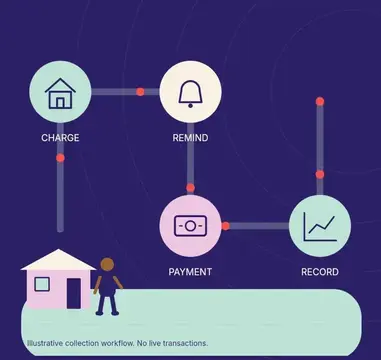
Illustration for rubs (ratio utility billing system) in property management

What does a RUBS allocation look like?

Example (illustrative figures). A water bill is $3,000 for a month. After deducting 10% for common areas, $2,700 is allocated. Using occupants, a unit with 2 of the building's 180 occupants is billed 2 ÷ 180 × $2,700 = $30.

Illustration for rubs (ratio utility billing system) in property management

FAQ

RUBS (ratio utility billing system) FAQs

Still curious? Ask the team.

What is the difference between RUBS and submetering?

Submetering measures each unit's actual consumption with its own meter. RUBS estimates each unit's share using a formula. Submetering is more precise but needs meters installed and read. RUBS is cheaper to set up but less directly tied to each resident's use.

Is RUBS legal?

It is legal in many places but regulated. Rules can cover lease disclosure, which methods are allowed, whether admin fees can be charged and how bills are presented. Some jurisdictions restrict it. Confirm the local requirements before billing. Rules can also differ between cities and states, so check them for each property.

Which utilities are billed with RUBS?

Water and sewer are the most common, followed by trash, gas and sometimes electricity in master-metered buildings. Each utility can use a different allocation formula if the lease and local rules allow. Common allocation methods use occupant count, unit square footage, number of bedrooms or a combination of these. The method used should be disclosed to residents in the lease.

See RUBS on live NetSuite data.