Resources · Glossary
What is a unit turnover?
A unit turnover, or unit turn, is the work and time between one tenant moving out and the next moving in. Shorter, well-run turns reduce vacancy loss and make units ready to show sooner.
| Term | Area |
|---|---|
| Turnover (unit turn) | Operations |
| Move-ins & move-outs | Modules |
| Work order management | Modules |
How does a unit turn work?
A typical turn starts with the move-out inspection and deposit assessment. Next comes the scope of work: cleaning, painting, repairs and any replacements. Vendors or in-house technicians are scheduled, the work is checked, and the unit is marked ready for marketing or the next resident's move-in.
Teams usually track turn time (days from move-out to ready), turn cost per unit, and make-ready backlog. Planning starts when notice is given, so materials and vendors are lined up before the unit is empty.
See also: Move-ins & move-outs and Work order management.

What does a turn timeline look like?
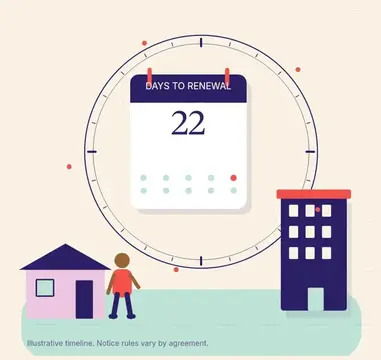
Example (illustrative). Day 0 move-out inspection; day 1 cleaning; days 2 to 3 paint and minor repairs; day 4 flooring spot-replacement; day 5 final check and photos; day 6 unit listed as ready. At a market rent of $1,500, each extra vacant day costs about $49 in lost rent.

What is a good unit turn time?
It varies with unit type, condition and labour availability. Many operators aim for about a week for a standard turn, longer when renovation is needed. Measuring your own average and outliers is more useful than an external target. Tracking days vacant from move-out to the next move-in shows the cost of each turn in lost rent.
How is turnover rate different from unit turn?
Turnover rate is the share of units whose residents moved out during a period, for example 40% a year. A unit turn is the work done on one unit between residents. High turnover rates mean more turns, so both are watched together.
How can teams shorten turns?
Start planning at notice, pre-inspect where allowed, keep standard finishes and materials in stock, schedule vendors in sequence, and track each turn as a set of tasks with owners and dates. Clear move-out charges also help close the deposit quickly.
Related
Related terms