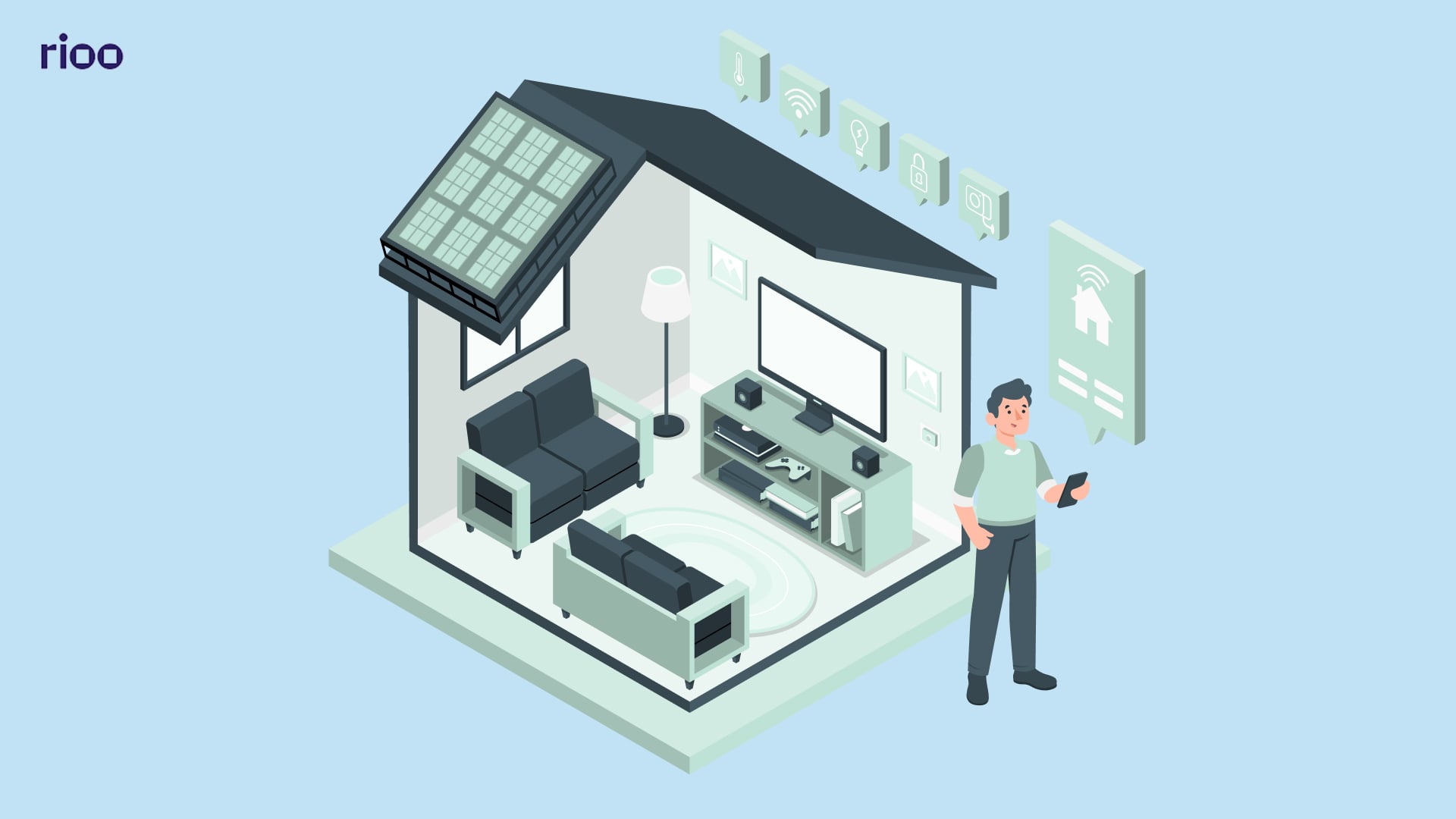
Managing maintenance for multiple properties can get overwhelming fast. With tenants submitting work orders, contractors needing coordination, and unexpected repairs cropping up, property managers are often caught juggling too many tasks. That’s where technology steps in — specifically, property management maintenance automation. By integrating smart tools, companies can reduce delays, cut costs, and offer a better experience to tenants. Here's a closer look at how modern tools are changing the game in property maintenance. Why Traditional Maintenance Methods Fall Short Manual tracking, paper-based logs, and scattered communication systems often lead to confusion and inefficiencies. Missed maintenance requests, delayed vendor responses, and poor tracking are common pain points. These gaps can lead to dissatisfied tenants, higher repair costs, and property damage over time. Modern property managers are now adopting smart property management software and other tech tools to fix these ...
Managing rental properties isn’t just about collecting rent. It’s a detailed process that involves everything from tenant relations to legal compliance, routine inspections to budgeting. Whether you’re managing a standalone house or an apartment building, understanding the differences and adopting a solid strategy makes all the difference. This property management guide offers a complete overview of how to handle both property management for single-family homes and property management for multifamily homes effectively, helping you reduce stress, stay organized, and keep your properties running smoothly. Understanding the Differences: Single-Family vs. Multifamily Property Management One of the first steps in building a strong foundation for your rental business is understanding the core differences between managing different property types. Property management for single-family homes is typically more personal. You’re dealing with one tenant or family per property, which allows for a ...
During leasing season, successful property managers stand out by planning ahead, using data-driven decisions, and executing strategies with consistency. Here’s how they approach leasing differently and make the most of each opportunity. 1. They Start Early with a Strategy in Place High-performing managers begin preparing for leasing season well before a unit becomes vacant. Planning 60–90 days ahead helps reduce stress, avoid last-minute surprises, and ensure a smooth transition between tenants. Reviewing lease expiration dates: By maintaining a centralized calendar of lease end dates, top managers spot upcoming vacancies early. This allows them to plan for renewals, maintenance, and new listings without overlapping responsibilities or rushing through crucial steps. Touching base with current tenants to confirm renewal interest: Checking in with tenants a few months before lease end helps managers gauge renewal likelihood. Early conversations provide time to offer incentives, clarify ...
When managing rental properties, one of the most crucial steps in ensuring a smooth tenancy is the tenant screening process. This process not only helps property managers identify reliable tenants but also speaks volumes about their property management style. The way you screen tenants can reflect how seriously you take your responsibilities, your approach to managing risks, and how well you aim to maintain the quality of your properties. In this blog, we will explore how your tenant screening process reveals your property management style, why it's so important, and how it can impact your relationships with tenants and the long-term success of your rental business. The Foundation of a Strong Property Management Style A comprehensive tenant screening process is essential for protecting your investment and ensuring that the property is in good hands. It provides you with an opportunity to assess various factors like financial stability, rental history, and overall compatibility with ...
For real estate professionals, managing multiple property listings is a regular part of the job. But without clear processes and solid organization, it can quickly become overwhelming. Between keeping up with showings, fielding client questions, updating listings, and staying on top of paperwork, even the most experienced agents can struggle. That’s why having a structured approach is essential—especially when working within a team. In this blog, we’ll walk through practical strategies to help real estate teams manage several listings effectively without losing track of important details. 1. Centralize Your Listings in One System When listings are spread across emails, spreadsheets, cloud drives, and group chats, it's only a matter of time before something slips through the cracks. Using a centralized platform to store and manage all your listings can make managing multiple property listings far easier. Choose a real estate CRM or listing management tool that allows you to: Upload ...
Managing student rentals isn’t the same as working with long-term residential leases. Student tenants come with a different set of expectations, habits, and leasing cycles. From frequent move-ins and move-outs to handling group leases and guarantors, student rental property management requires a hands-on and adaptable approach. The nature of student housing demands strong systems for communication, maintenance, and tenant screening. Landlords and property managers also need to be prepared for higher wear and tear, seasonal demand, and questions from parents. Whether you’re managing an apartment complex near a college, a condo in a residential neighborhood, or single-family homes rented by student groups, each property type calls for a slightly different strategy. Understanding the Student Rental Market Unlike traditional rental markets that follow yearly or flexible lease terms, the student housing market is driven almost entirely by the academic calendar. Most leases begin in August ...
The evolution of technology in retail property management has dramatically transformed how shopping malls and retail spaces are operated, optimizing both the customer experience and the way businesses manage their properties. With advanced solutions integrating into the daily operations of retail properties, shopping mall managers, owners, and retailers are able to streamline processes, enhance customer satisfaction, and improve business performance. In this blog, we’ll explore the various technological innovations reshaping retail spaces and how they are changing the management landscape. The Role of Technology in Retail Property Management Retail property management traditionally involved manual processes, from leasing agreements to maintenance schedules. However, technology in retail property management has ushered in an era of automation and data-driven decisions, revolutionizing the way spaces are controlled and optimized. Today’s technological solutions, from smart systems to ...
Retail property management has evolved significantly over the years, and today, property managers have access to a wide range of tools and technologies designed to streamline operations, enhance tenant experiences, and improve overall profitability. One of the most prominent advancements in this field is the adoption of retail property management software. This software offers a comprehensive solution for everything from lease management to analytics, helping property managers stay organized, efficient, and responsive to tenant needs. In this blog, we’ll explore how modern solutions, such as retail property management software, can transform retail property management. From lease management automation to foot traffic analytics and tenant experience optimization, these tools can help property managers meet the demands of the modern retail landscape. The Rise of Retail Property Management Software Gone are the days when managing retail properties meant juggling paper leases, ...
Managing a diverse residential portfolio that includes condos, townhouses, and single-family homes can be complex. Each property type has its unique needs, rules, and maintenance schedules. To stay organized and efficient, property managers and landlords need the right tools tailored to residential real estate. The good news is, today’s property management software for residential properties can simplify multi-property oversight, streamline operations, and improve tenant satisfaction—all in one place. In this blog, we’ll break down the essential tools you need when managing these three housing types together and how to ensure consistency and control across your entire portfolio. Why Managing Multiple Property Types Is Challenging Condos often involve homeowners’ associations and shared amenities, requiring regular coordination and compliance tracking. Townhouses may have mixed-use features and individual maintenance requests, while single-family homes tend to require more direct ...