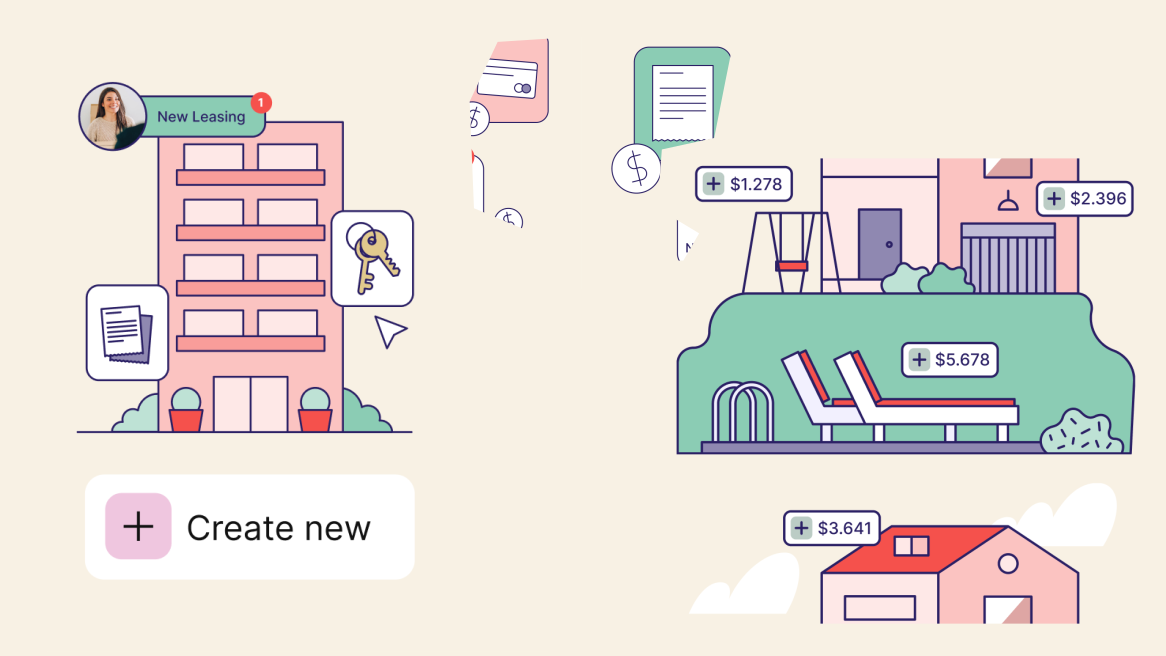
Managing rental properties requires handling multiple responsibilities, including rent collection, lease management, maintenance requests, and financial tracking. Traditional methods, such as manual record-keeping and paper-based transactions, can be time-consuming and prone to errors. With advancements in technology, property management software has emerged as a game-changer, enabling landlords and property managers to streamline operations and enhance overall rental efficiency. By automating key tasks, reducing administrative burdens, and improving tenant communication, property management software not only increases operational efficiency but also enhances tenant satisfaction. In this blog, we’ll explore the key ways this technology impacts rental efficiency, simplifies automated rent collection, and ultimately improves the rental experience for both landlords and tenants. Struggling with Rental Management? Here’s How Property Management Software Fixes That! Efficiency is crucial ...
Late rent payments have long been a challenge for landlords and property managers. Delayed payments disrupt cash flow, create administrative burdens, and sometimes lead to eviction disputes. However, with the rise of property management software, landlords now have more control over rental payments than ever before. But can these platforms truly solve the late payment crisis? Let’s explore how technology is reshaping rent collection and making late payments a thing of the past. The Root Causes of Late Rent Payments Before diving into solutions, it's essential to understand why tenants fail to pay rent on time. Some of the most common reasons include: Forgetting due dates – Tenants may overlook rent deadlines in their busy schedules. With multiple bills to manage, rent often slips through the cracks unless there are reminders. Financial struggles – Unexpected expenses such as medical bills or job loss can cause tenants to delay rent payments, especially if they are living paycheck to ...
Managing a single property is challenging enough, but as a portfolio grows, the complexity increases exponentially. Property managers must handle maintenance, tenant communication, utility tracking, compliance, and financial oversight—often across multiple locations. Without a structured approach, inefficiencies can lead to increased costs, tenant dissatisfaction, and operational bottlenecks. This is where property management technology becomes a game-changer. By integrating automation, data analytics, and cloud-based systems, property managers can scale their operations efficiently without compromising quality or control. Whether it's handling routine maintenance, monitoring utility consumption, or streamlining tenant interactions, tech-enabled property solutions provide the flexibility needed to support business growth in real estate. Let’s take a deep dive into how technology is reshaping scaling property management and why forward-thinking property managers are embracing digital ...
In today’s digital world, social media is not just a means of communication—it’s a vital marketing tool that helps businesses build brand awareness, engage with audiences, and drive conversions. For property management companies, an effective social media strategy can enhance visibility, attract potential tenants and property owners, and establish credibility in a competitive market. With the right approach, social media can serve as a dynamic platform to showcase available properties, highlight company values, and provide valuable insights into the rental market. Platforms like Facebook, Instagram, LinkedIn, and TikTok offer unique opportunities to connect with different audiences, from prospective renters to investors looking for property management services. By consistently sharing informative content, success stories, and interactive posts, property management companies can foster trust and engagement. This guide delves into key strategies for social media marketing in the ...
Managing properties in remote locations can seem like a daunting task, especially when you’re physically far from the property and your tenants. However, with the right strategies, tools, and a solid understanding of the specific challenges and opportunities, remote property management can be a smooth and efficient process. In this blog, we’ll dive into the unique challenges of managing properties remotely and explore innovative property solutions to ensure that your investment is well-maintained and profitable. The Growing Demand for Remote Property Management With the rise of technology and the increasing mobility of property owners, remote property management has become more common. Property owners are no longer confined to local areas and can manage their investments from anywhere in the world. Whether it’s a vacation rental in a remote town or an agricultural property on the outskirts of a city, remote property management has become an essential skill for property managers who ...
Managing student housing comes with unique challenges, from high tenant turnover to frequent maintenance requests. With students moving in and out regularly, keeping operations smooth can be overwhelming. This is where student housing automation plays a crucial role. By integrating automation into key processes, property managers can streamline operations, enhance tenant satisfaction, and improve financial oversight. Automating lease management, rent collection, maintenance tracking, and communication reduces manual effort, minimizes errors, and increases efficiency. As the demand for student housing grows, adopting technology-driven solutions is essential to ensure seamless operations, cost savings, and a better living experience for students. Why Student Housing Needs Automation Student housing properties often experience fast-paced changes, making efficiency a top priority. Traditional manual processes can lead to delays, miscommunication, and increased costs. Student housing ...
Managing student housing comes with a unique set of challenges that require a proactive approach. Unlike traditional rental properties, student housing involves high tenant turnover, frequent maintenance issues, financial uncertainties, and the need for clear communication. Since students often rent for short durations—typically one academic year—property managers must constantly deal with move-ins, move-outs, and unit preparations. Additionally, younger tenants may not always be aware of property upkeep, leading to increased wear and tear and unpredictable maintenance requests. Financial management can also be complex, as students may rely on scholarships, loans, or family support for rent payments, resulting in inconsistencies. Effective communication is crucial, as students expect digital-friendly interactions and quick responses. Ensuring compliance with housing regulations adds another layer of responsibility. In this blog, we’ll explore the top 5 student housing management ...
Managing multiple properties can be overwhelming, especially when dealing with tenant communication, rent collection, maintenance requests, and financial tracking. Traditionally, landlords and property managers relied on manual processes, spreadsheets, and physical paperwork to manage their real estate assets. However, with the rise of property management apps, handling real estate portfolio management has become much easier, more efficient, and more profitable. These digital solutions integrate automation, cloud storage, and real-time data analysis to optimize property management tasks. In this blog, we’ll explore how property management apps simplify portfolio management, improve efficiency, and help landlords and property managers make informed decisions. How Property Management Apps Simplify Portfolio Management 1. Automated Rent Collection & Payment Tracking One of the biggest challenges in rental property management is ensuring tenants pay rent on time. Traditional rent ...
Managing rental properties requires more than just maintaining buildings and handling tenants—it demands careful financial oversight. Poor accounting practices can lead to cash flow issues, compliance problems, and even legal trouble. Recognizing early warning signs in property management accounting can help avoid financial setbacks. This blog highlights five accounting red flags that property managers should never ignore. 1. Inconsistent or Missing Financial Records One of the biggest property management financial issues is disorganized or missing financial records. If you struggle to track income, expenses, or tax documentation, your business may be at risk. Without proper record-keeping, it becomes difficult to assess financial health, plan for future expenses, or ensure compliance with tax regulations. Why It’s a Problem: When financial records are incomplete or inconsistent, tracking profitability becomes a challenge. Without clear records, property managers may struggle to ...